









Avoiding ESD in the Workplace and the Importance of Staying Grounded
Can you protect yourself from electrostatic discharge (ESD) without being grounded?
No, you cannot. For practical reasons, it may sometimes be difficult to ensure grounding at all times. In order to protect yourself from bodily harm, and to prevent damage to your installations, there are several ways to minimise the risk of inadvertently losing your connection to the ground.
Electrostatic discharge: understanding and prevention
Protecting yourself from ESD isn’t difficult, but it is important to know what causes it.
It begins with a build-up of static electricity, usually by tribocharging, induction or corona charging. Tribocharging occurs when the surfaces of two materials touch, rub and release (e.g. the soles of your shoes touching the floor or your clothes rubbing against your body). Induction or corona charging occurs when a person (or an object) comes into the electrostatic field of an object getting charged (e.g. big bags being filled or materials being wrapped in plastic film). Processes involving sprays, mists or aerosols can also generate high levels of charge that can accumulate on the human body.
Although these processes are not allowed in zones with explosive atmospheres, a person near these processes can build-up their body voltage and enter the zone later, unwittingly causing a risk of explosion.
When a conductor reaches a voltage of over 300V and approaches (or touches) a large or earthed conductor, the excess charges will be neutralized by transferring to their surroundings.
This process is called electrostatic discharge (ESD), and it manifests in aspark. Seemingly innocent in most cases, sparks can lead to explosions if they occur near a flammable agent. If the voltage in the human body rises above 1500V, the energy in the spark can ignite hydrogen gas. A spark caused by a body voltage of about 4000 to 5000V can ignite most solvent vapours.
If you consider that contact, induction or spray charging can create body voltages of several thousand volts, it is clear that by not being grounded you are at serious risk of injuries or even death.
How we can protect ourselves from ESD?
“The primary defence against hazards created by static electricity is to securely connect the human body to the earth. Metal machinery and other large conductors are already required to be grounded.
By also grounding the people who work in these environments, you can reduce the potential difference to almost zero, thereby eliminating the risk of ESD sparks.Connection to the earth can be achieved in a number of ways,In industrial environments, a connection to earth is most easily achieved via suitable footwear and flooring.
Usually, grounding requires less than 108 Ω to fully protect the human body. Exceptions are when high charging mechanisms are involved or when one is handling explosives. Cases like these require a lower resistance of 106 Ω or 105 Ω .”
Electro conductive Textiles
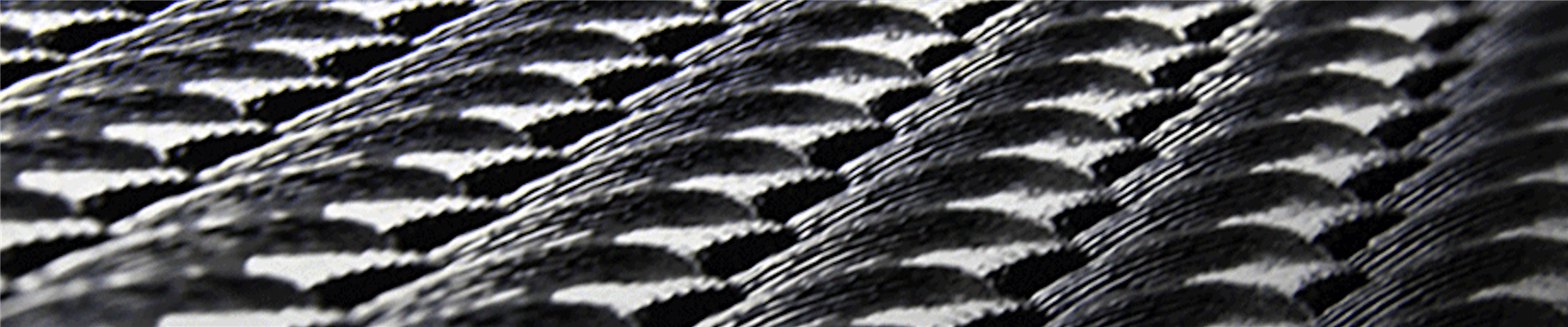
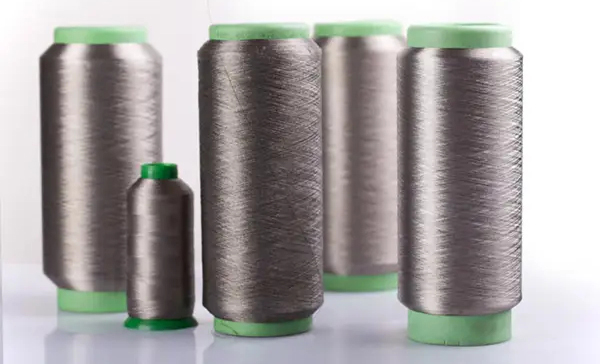
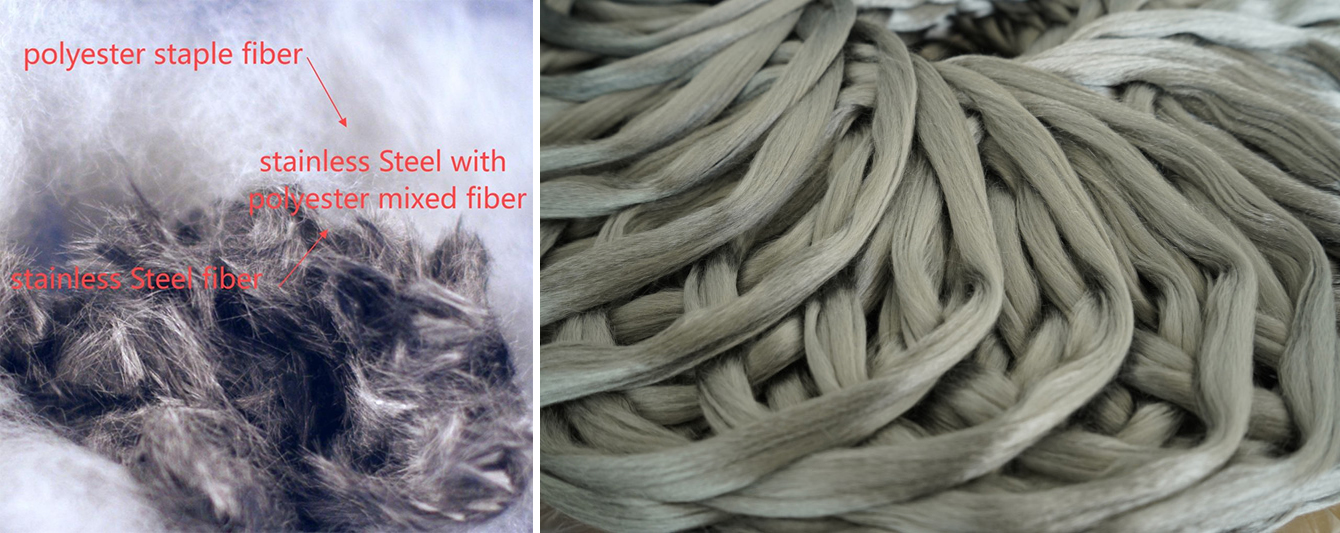
As an producer of stainless steel metal fiber products, 3ltex has many years of experience in investigating and developing fibers and yarns for antistatic textiles.
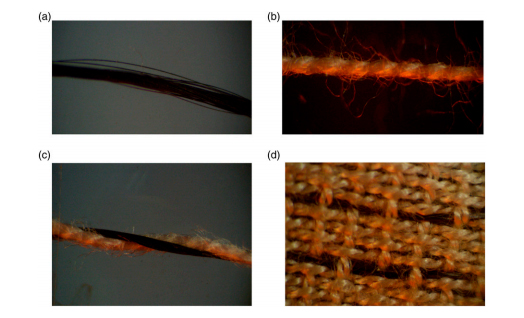
''Cotton and polymer fibers are mixed with stainless steel fibers'' to create a highly conductive yarn that efficiently and safely dissipates any static charges generated by body movement and fabric friction,to enable a smooth flow of excess charges to the ground, it is essential to be grounded at all times.”
There are producers of antistatic garments who claim that their products provide some antistatic protection even in situations where full grounding is not possible or impractical.
However, While some clothing does reduce tribocharging of the clothing itself, the body voltage on an isolated person can increase because of tribocharging by their footwear. Also, uncovered parts of their body such as their head and hands can still be charged by induction. So although ignition risks on isolated personnel can be reduced by certain types of electrostatic dissipative protective clothing, the only certain way to avoid hazardous body voltages is to stay grounded.”
So what can you do when grounding via footwear is impossible?
It is possible to keep oneself grounded even when a physical connection to the earth via footwear is difficult or not an option. “By wearing a wrist band and earth cords, one creates a direct connection from the earth to the human body. The resistance to earth limits are the same as those applied to footwear and flooring.”
Conclusion
In conclusion, we can say that the only way to eliminate the risk of ESD is to wear antistatic garments that are in constant connection to the ground. Wearing the garments alone will reduce the risks to some extent but can never guarantee full protection.
About 3ltex
Equipped with state-of-the-art facilities for fiber, spun, twisting, coating, weaving, and knitting, our textiles from specialized materials such as stainless-steel metal fiber, copper fiber, silver fiber, metalized wire, to meet conductive, shielding, anti-static, anti-bacterial, heating, high temperature resistant, anti-corrosion, filtration requirements.
If you have any question about anti static ,shielding,conductive,pls contact us no hesitate:
www.3ltex.com
yan@3ltex.com