Silver Fiber Fabric is really starting to catch on across different industries, thanks to its pretty unique properties. If you look at the data from Grand View Research, the global market for silver Fabrics is expected to hit around $3.5 billion by 2027. That’s quite a boost, and it’s mainly because more folks are looking for textiles that are both antimicrobial and conductive.
You’ll often find conductive Silver Fiber Fabric in electronic textiles—think wearable tech or smart clothing. They’re great because they conduct electricity really well, making them perfect for gadgets and innovative fabrics. On the other hand, antimicrobial Silver Fiber Fabric is also a big deal—it keeps bacteria at bay, which is a huge plus for hygiene in clothing, medical textiles, and more.
Of course, as impressive as these fabrics are, there are some concerns. For instance, the conductive properties can wear down over time, and scientists are still studying what long-term exposure to silver might mean. As industries push forward with new ideas, ongoing research is super important to keep these issues in check and make sure we’re moving in the right direction.
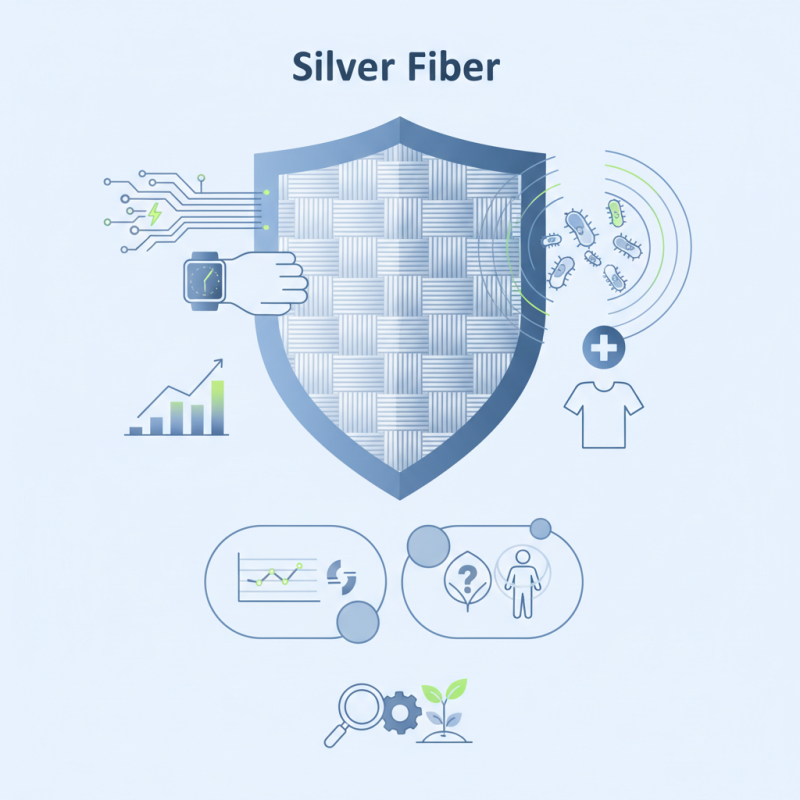
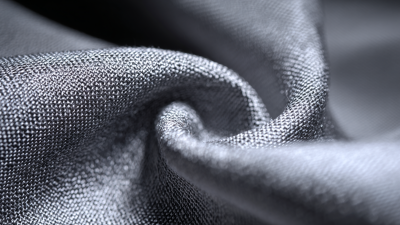
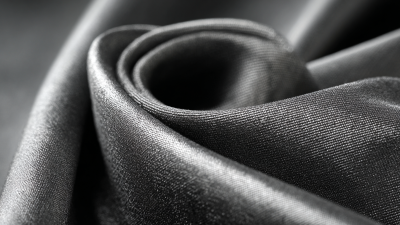
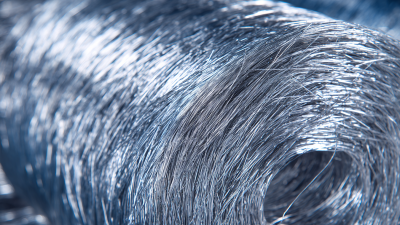
Silver Fiber fabric is a unique textile that integrates silver threads into the material. This innovative approach brings a range of benefits. The threads create a conductive layer, allowing the fabric to maintain temperature and manage moisture. The result is a cozy and breathable experience, perfect for both casual wear and active situations.
One of the most exciting aspects is its antimicrobial properties. Antimicrobial silver fiber fabric can inhibit the growth of bacteria, fungi, and other pathogens. This feature is especially beneficial for those with sensitive skin or for sportswear, as it helps reduce odor and skin irritation. Many people appreciate how this fabric works well in various conditions, though some might find the feel a bit unusual initially.
Additionally, the functional capabilities of conductive silver fiber fabric extend to health applications. Some new technologies even use these fabrics for monitoring vital signs. While the potential is significant, the market still has room for advancements. Research is ongoing to explore more applications and improvements in comfort. Embracing this fabric could enhance our daily lives, yet the journey toward widespread understanding and acceptance is not without challenges.
The origins of silver fiber fabric can be traced back to ancient civilizations. Early Egyptians used silver for its antimicrobial properties. The development of this fabric took a significant leap in the late 20th century. Scientists began to explore the integration of silver into textiles for advanced applications.
Research shows that silver fiber fabrics can reduce bacteria on clothing by up to 99%. This is crucial for healthcare and sports apparel. According to a report from the Textile Research Journal, fabrics infused with silver ions offer enhanced durability against wear and tear. Yet, the production methods are sometimes criticized for their environmental impact, sparking ongoing debates.
Despite the benefits, challenges remain. The cost of silver fiber fabric can be prohibitive. Consumers often question the balance between cost and performance. Studies indicate a growing market demand, but there is a need for sustainable practices. Researchers are focused on improving manufacturing processes and addressing these concerns.
Silver fiber fabric stands out for its unique blend of properties. This innovative material incorporates silver threads, enhancing its electrical conductivity. Studies indicate that silver fibers can eliminate up to 99.9% of bacteria and odors, making it a sought-after choice in healthcare and sportswear. This fabric also provides excellent thermal regulation, keeping the body temperature stable in various conditions.
When considering silver fiber fabric, think about its anti-static properties. For example, it can reduce static electricity, which is essential for environments like electronics manufacturing. The integration of materials such as 100% Recycle Polyester Anti Static Conductive Fabric Workwear Fabric and copper-nickel conductive cloth can further enhance functionality. However, it's crucial to balance utility and comfort, as some users may find the texture less flexible than their traditional counterparts.
Tips for caring for silver fiber fabric include washing in cold water and avoiding harsh detergents. Regular maintenance can preserve its unique qualities. Remember, not all conductive fabrics are the same. Some may offer better signal shielding than others, while others may excel in RFID protection. Understanding these nuances is essential for making the right choice for your specific needs.
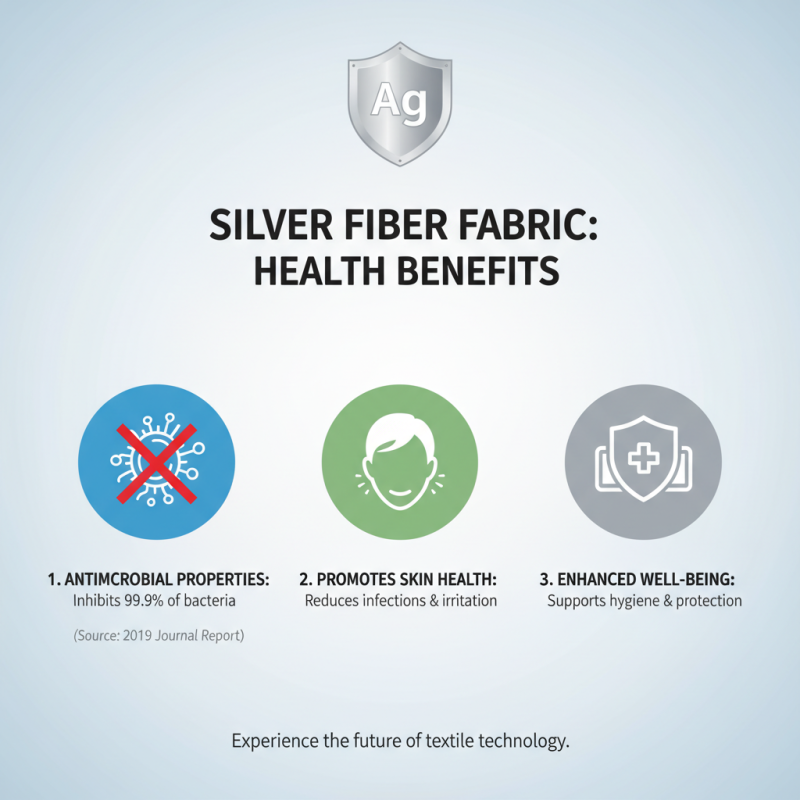
Silver fiber fabric offers several health benefits through its unique properties. Studies indicate that silver fibers possess antimicrobial features. According to a 2019 journal report, 99.9% of bacteria are inhibited in fabrics infused with silver. This can reduce the risk of infections and promote skin health.
Moreover, silver fibers can help regulate body temperature. Research shows that these fabrics can help wick away moisture. This keeps the wearer dry during physical activity, which improves comfort levels. Fabrics with silver have even shown potential in reducing odor, creating a fresher experience.
However, not all silver used in textiles is equal. Some processes may not retain the silver's effectiveness after multiple washes. This raises questions about longevity and sustainability. It’s crucial to consider the production methods when evaluating the true benefits of silver fiber fabrics.
Silver fiber fabric is gaining popularity in various textile applications. Its unique properties make it suitable for different uses. This fabric has antimicrobial qualities, which reduce odors and maintain freshness. It also provides excellent conductivity, making it useful in electronic applications.
One significant application of silver fiber fabric is in ESD (Electrostatic Discharge) protection. By integrating silver fibers into designs, manufacturers create ESD Fabric with Anti Static Fabric. This combination ensures safety for electronics in industries like telecommunications and aerospace. Workers in sensitive environments benefit from wearing clothing made from this fabric.
In athletic wear, silver fiber fabric offers benefits such as moisture management and temperature regulation. Athletes appreciate its ability to wick away sweat and provide a cooling effect. However, we have to question long-term durability. Will the silver fibers maintain their properties after multiple washes?
Understanding the lifespan of these textiles remains essential for consumers. To some extent, using ESD Fabric and Static Release Fabric Anti Static Fabric can address performance issues but may not be foolproof.
Silver fiber fabric stands out due to its unique properties. One key advantage is its antibacterial nature. The silver particles embedded in the fibers inhibit the growth of bacteria. This makes the fabric ideal for sportswear. Athletes can stay fresher and more comfortable during workouts.
Another significant benefit is temperature regulation. Silver fibers can help manage body heat. They reflect heat back to the body. This can be especially useful in colder climates. The fabric also wicks moisture away from the skin. Users feel dry even during intense activities.
However, some may wonder about the cost. Silver fiber fabric tends to be pricier than traditional options. Some people might find the price difficult to justify. It’s essential to weigh the benefits against the expense. This fabric's durability is impressive but may not be suited for everyone. Not every situation demands its unique qualities.
Caring for silver fiber fabric requires attention to detail. These fabrics, known for their antibacterial properties, can be delicate. When washing, use cold water. Hot water may damage the fibers. Avoid bleach and fabric softeners. They can ruin the silver’s effectiveness.
Drying silver fiber garments should be done gently. Air drying is the best option. Machine drying can shrink or weaken the fabric. When ironing, choose a low heat setting. High temperatures may impact the fibers.
Routine maintenance is critical. Check for wear and tear regularly. Silver fiber for spun yarn offers durability but can fray if not cared for properly. A blended yarn enhances comfort while maintaining anti-bacterial benefits. Treat stains promptly to prevent lasting damage. Remember, silver fiber blended yarn retains its properties longer with careful handling.
: Services may include consultations, assessments, and personalized plans. Each service has unique aspects to consider.
Appointments can typically be scheduled through an online system or by calling customer service directly.
Bring relevant documents and prepare questions. This will help optimize your meeting time effectively.
Some individuals may experience mild discomfort or emotional responses. It's important to discuss any concerns beforehand.
Regular check-ins and progress reports are common. Keeping a personal journal can also help in reflecting on changes.
Cancellations usually require a notice period. Check the policy to avoid any penalties or confusion.
Service durations vary widely. Some may be short, while others might require extended time commitments.
Many places offer group sessions. These can provide support and additional perspectives from peers.
Follow-up processes differ. Common practices include follow-up calls or additional appointments to monitor progress.
Yes, providing feedback is crucial. Open communication helps tailor the approach to your specific needs.
Silver Fiber Fabric is a revolutionary textile that integrates silver fibers into fabric, offering unique properties and health benefits. Developed over time, this innovative material stands out due to its natural antibacterial properties, excellent conductivity, and ability to regulate temperature. The history of silver fiber fabric highlights its transition from a niche product to a sought-after material in various applications, particularly in sportswear and medical textiles.
The key advantages of Silver Fiber Fabric include its durability and effectiveness in controlling odor, making it an appealing choice for activewear and undergarments. Moreover, it provides potential health benefits, such as improved skin health and enhanced comfort. When compared to traditional fabrics, silver fiber fabric demonstrates superior performance in moisture wicking and thermal regulation. Proper maintenance and care of this fabric are essential to preserving its unique qualities, ensuring longevity and sustained benefits in everyday use.