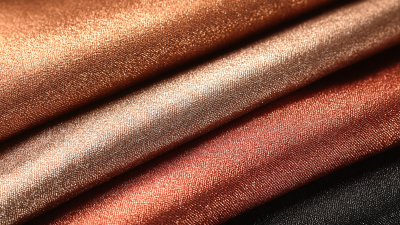
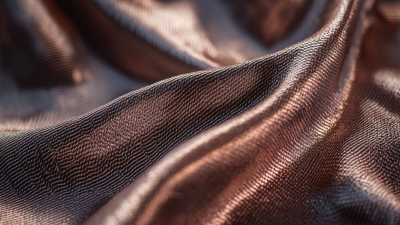
In the fast-changing world of wearable tech, new materials are really making a difference when it comes to improving both how things work and how comfortable they are to wear. One material that's been catching a lot of attention lately is Copper Nickel Conductive Fabric. This fabric isn't just great at conducting electricity—it also blends naturally into all sorts of wearable tech, like smart Textiles or health-tracking devices. Dr. Emily Carter, who's a top expert in textile tech and conductive materials, mentions, "Incorporating Copper Nickel Conductive Fabric into wearables really takes performance and user experience to a whole new level."
But the benefits of this fabric aren't just about conducting electricity. It's tough, flexible, and comfortable—making it perfect for clothes that need to deliver both form and function. As more people get into smart clothing, it’s super important for designers and manufacturers to understand the main ways this fabric can be used if they want to stay ahead of the game.
By tapping into what makes Copper Nickel Conductive Fabric so special, makers can develop smarter wearables that do more than just track health—they can give users instant feedback, too. This exciting combo of tech and textiles is set to change how we interact with our clothes, making it a must-have for the next wave of smart apparel.

Overview of Copper Nickel Conductive Fabric in Wearable Technology
Copper nickel conductive fabric is increasingly recognized for its pivotal role in the development of wearable technology. This innovative material merges the inherent advantages of copper and nickel, creating a robust textile that not only conducts electricity but also offers flexibility and comfort. The metallic fibers woven into the fabric provide excellent conductivity, enabling seamless integration into various wearable devices, such as smart clothing, fitness trackers, and medical monitoring systems. The lightweight nature of the fabric ensures that it does not compromise wearer comfort, making it ideal for daily use.
In the realm of wearable technology, copper nickel conductive fabric enhances functionality by facilitating the transmission of electrical signals, which is crucial for real-time data monitoring and communication. This is particularly beneficial in applications such as health monitoring, where the fabric can be used in smart textiles that track vital signs like heart rate and body temperature. Moreover, the antimicrobial properties of copper contribute to hygiene, reducing the risk of infections when worn against the skin. As the demand for advanced wearable technology grows, the unique characteristics of copper nickel conductive fabric position it as a significant player in the evolution of this field, enabling innovative designs and more effective health monitoring solutions.
Top Uses and Benefits of Copper Nickel Conductive Fabric in Wearable Technology
| Application | Benefit | Feature | Industry |
| Healthcare Monitoring | Real-time data collection | High conductivity | Medical |
| Smart Fabrics
| Enhanced user experience | Flexibility | Textiles |
| Fitness Trackers | Accurate tracking | Durability | Sports & Fitness |
| Wearable Charging Systems | Convenient power supply | Conductive threads | Tech & Wearables |
| Temperature Regulating Fabrics | Comfortable use | Thermal management | Apparel |
Key Properties of Copper Nickel Conductive Fabric
Copper nickel conductive fabric is gaining traction in the wearable technology market due to its unique properties that cater to the demands of modern devices. The blend of copper and nickel in the fabric offers excellent conductivity, making it suitable for various applications, such as smart clothing, fitness trackers, and other wearable tech. Research indicates that the global market for conductive textiles is expected to reach over $4 billion by 2027, reflecting a compound annual growth rate (CAGR) of 27.3% from 2020 to 2027. This rapid growth can be attributed to the increasing adoption of smart textiles in healthcare and sports industries, where accurate biometrics and data collection are crucial.
The key properties of copper nickel conductive fabric include high electrical conductivity, excellent thermal properties, and antimicrobial capabilities. The fabric exhibits low resistivity, enabling efficient transmission of electrical signals which is vital for wearables that monitor health metrics. Additionally, the antimicrobial effects of copper help reduce odor and enhance wearer comfort, making it a viable choice for long-term use in athletic clothing. Reports highlight the significance of these properties as they align with consumer preferences for both functionality and comfort in wearable technology.
Tips: When selecting conductive fabrics for wearable applications, consider the required level of conductivity and the environmental conditions in which the fabric will be used. Also, examine the durability of the fabric during laundering and its resistance to wear over time to ensure longevity and performance in daily use.
Applications of Copper Nickel in Smart Clothing
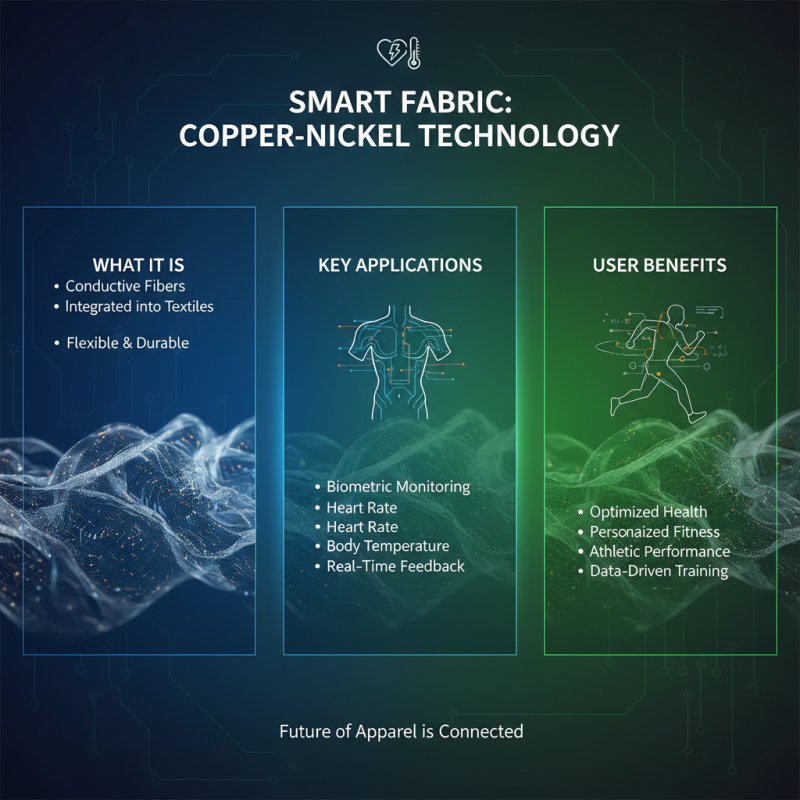
Copper nickel conductive fabric is revolutionizing the apparel industry, especially in the realm of smart clothing. One of the primary applications of this innovative material is in creating garments that can monitor biometric signals, such as heart rate and body temperature. By incorporating copper nickel fibers into textiles, these smart clothes can provide real-time feedback to users, enabling them to optimize their health and fitness routines. This technology is particularly beneficial for athletes and fitness enthusiasts, as it allows for personalized training programs based on accurate physiological data.
Moreover, copper nickel conductive fabric is instrumental in enhancing the functionality of everyday clothing. For instance, it can be used in the production of garments that offer connectivity features, such as communication through embedded sensors. This opens up possibilities for wearable devices to control electronic gadgets, track performance, and even interact with smart home devices seamlessly. Additionally, the antimicrobial properties of copper nickel make it an ideal choice for activewear, where hygiene and long-lasting freshness are essential. As smart clothing continues to gain traction, the versatility and advantages of copper nickel conductive fabric position it as a key player in the future of wearable technology.
Benefits of Using Conductive Fabric in Wearable Devices
The integration of conductive fabric, particularly copper nickel variations, is revolutionizing the wearable technology sector by enhancing user experience and broadening functionality. According to a recent report by Research and Markets, the global market for conductive textiles is projected to grow significantly, reaching over $3 billion by 2025. This growth can be attributed to the exceptional properties of conductive fabrics that bridge the gap between textiles and electronics, allowing them to serve dual purposes.
One of the primary benefits of using copper nickel conductive fabric in wearable devices is its superior conductivity, which is essential for effective signal transmission. Studies indicate that copper nickel compositions can provide conductivity levels comparable to traditional electronic materials while retaining the flexibility and comfort of fabric. This characteristic is crucial for wearable applications, as it enables seamless integration into clothing and accessories without sacrificing comfort. Additionally, the antimicrobial properties of copper enhance the hygiene factor, making these fabrics especially advantageous in healthcare monitoring devices that require prolonged skin contact.
Moreover, the lightweight nature of conductive fabric ensures that wearables remain unobtrusive, promoting user acceptance and encouraging widespread adoption. The report also emphasizes the potential for these materials to support a variety of applications, ranging from fitness trackers to smart textiles in the healthcare sector, thereby opening up new avenues for innovation. As technology advances, the incorporation of copper nickel conductive fabrics is likely to set a new standard for wearability, durability, and functionality in the ever-evolving landscape of wearable technology.
Effectiveness of Copper Nickel in Signal Transmission
The effectiveness of copper nickel conductive fabric in signal transmission is significant, particularly in the realm of wearable technology. This fabric combines the excellent electrical conductivity of copper with the corrosion resistance and durability of nickel, making it an ideal choice for applications that require reliable and efficient signal transmission. When integrated into wearables, this material ensures that data from sensors is transmitted with minimal resistance and loss, which is crucial for maintaining the accuracy and responsiveness of various health monitoring devices.
In addition to its superior transmission capabilities, copper nickel fabric offers advantages in terms of electromagnetic interference (EMI) shielding. This is particularly important in wearables that operate in environments with numerous electronic devices. By utilizing copper nickel conductive fabric, these wearables can protect sensitive components from external noise and interference, enhancing overall performance. The inherent properties of the fabric allow it to maintain strong signal clarity and integrity, ensuring that user data is transmitted seamlessly. This combination of strength and efficiency positions copper nickel conductive fabric as a game-changer in the evolution of wearable technology, paving the way for more sophisticated and reliable devices in the market.
Impact on User Comfort and Wearability
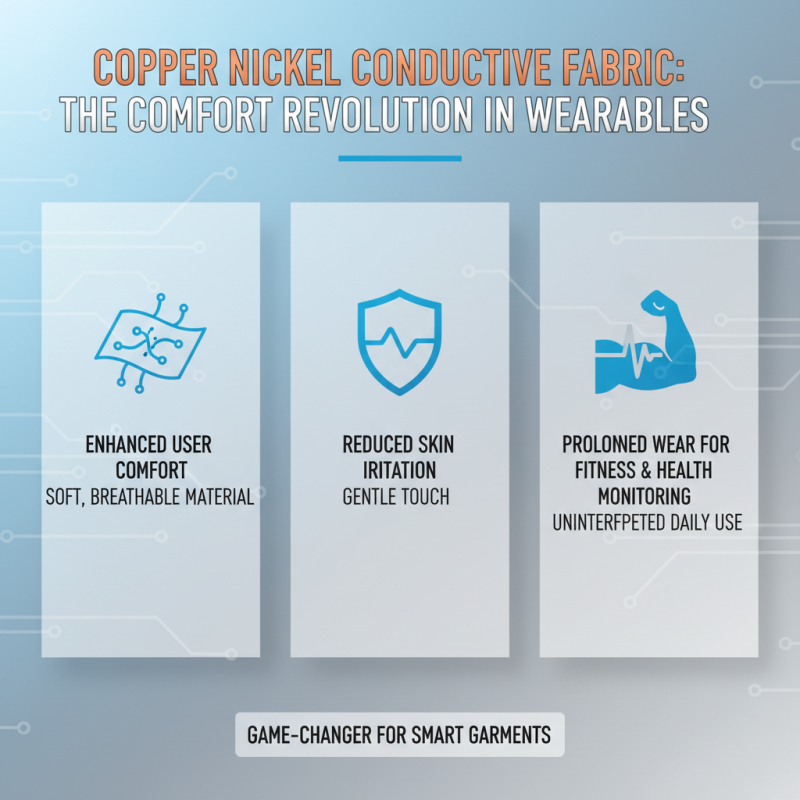
Copper nickel conductive fabric has emerged as a game-changer in the realm of wearable technology, particularly in enhancing user comfort and overall wearability. One of the primary benefits of this innovative material lies in its breathability and softness, making it exceptionally comfortable for prolonged wear. Unlike traditional conductive fabrics, copper nickel blends create a gentle touch against the skin, reducing the likelihood of irritation, thus encouraging users to wear smart garments for extended periods. This comfort factor is crucial for fitness enthusiasts and individuals reliant on continuous health monitoring, as it ensures that the technology does not disrupt daily activities.
Furthermore, the moisture-wicking properties of copper nickel fabric play a significant role in maintaining user comfort. The fabric effectively draws sweat away from the skin, which not only keeps users dry during physical exertion but also enhances the longevity of the electronic components embedded in the textiles. As a result, users can enjoy a more pleasant experience while utilizing their wearable devices, as they are less likely to feel discomfort associated with dampness or overheating. Overall, the incorporation of copper nickel conductive fabric significantly elevates the usability of wearable technology, ensuring that comfort and functionality go hand in hand.
Future Trends in Copper Nickel Conductive Fabric Development
The future of copper nickel conductive fabric development in wearable technology is poised for significant advancements, driven by the increasing demand for more efficient and reliable electronic textiles. According to a report by industry experts, the global market for smart textiles, which includes conductive fabrics, is expected to grow at a compound annual growth rate (CAGR) of 24.3% from 2022 to 2028. This growth is fueled by rapid innovations in areas such as health monitoring, sports performance tracking, and military applications, where accurate real-time data transmission is crucial.
Research into copper nickel conductive fabrics has highlighted their superior properties, such as excellent conductivity, corrosion resistance, and antimicrobial effects. These attributes make them particularly valuable in wearables that require direct skin contact, ensuring both functionality and comfort. With the push toward integrating IoT capabilities in everyday garments, manufacturers are also exploring advanced weaving techniques and hybrid materials that enhance durability and flexibility. Market analysts predict that the introduction of nanotechnology in composite fabrics will further elevate their performance, allowing for lighter, thinner, and more discreet electronic integration, paving the way for innovative applications across various sectors including healthcare, fitness, and defense.
Top Uses and Benefits of Copper Nickel Conductive Fabric in Wearable Technology
This chart illustrates the estimated market growth for various applications of copper nickel conductive fabric in wearable technology. The increasing interest in smart clothing and health monitoring devices represents significant growth potential in these sectors.
Optimizing Electrical Connections with Tin Plating Copper Foil Metallized Conductive Wire: A Comprehensive Guide
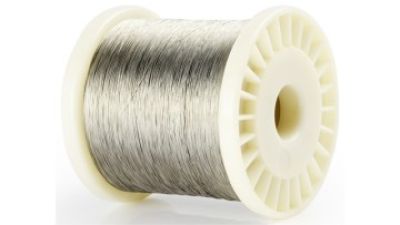
Tin plating copper foil metallized conductive wire is an innovative solution for optimizing electrical connections. This type of wire is crafted using flattened copper-plated silver wrapped in textile filaments, which enhances the wire's strength and flexibility. The tinned copper surface plays a crucial role in preventing oxidation, as tin forms protective oxide films. This characteristic significantly prolongs the lifespan of the wire, making it an ideal choice for various electrical applications.
The flexible nature of this metallized conductor wire, also known as tinsel wire, is achieved through the support of intermediate textile filaments. These filaments can be tailored to specific needs, with options such as polyamide or aramid, which further enhances durability and bend tolerance. In addition to their robust physical properties, these wires are non-toxic and tasteless, ensuring safe usage in consumer electronics. Their conductive surface allows for easy welding, making installation and integration into systems straightforward and efficient, thus positioning tin plated copper foil metallized conductive wire as an excellent choice for modern electrical engineering.
FAQS
: Copper nickel conductive fabric is primarily used in the apparel industry for smart clothing that monitors biometric signals, such as heart rate and body temperature, and enhances connectivity features in everyday clothing.
The main properties include high electrical conductivity, excellent thermal properties, and antimicrobial capabilities, which enhance the performance and comfort of wearable technology.
It provides real-time feedback on biometric data, enabling athletes to optimize their health and fitness routines with personalized training programs based on accurate physiological information.
The antimicrobial property helps reduce odor and enhance wearer comfort, making the fabric suitable for long-term use in athletic clothing.
Consider the required level of conductivity, environmental conditions of use, durability during laundering, and resistance to wear over time to ensure performance and longevity.
The fabric can be incorporated into garments with embedded sensors, allowing users to control electronic devices and interact with smart home features seamlessly.
The global market for conductive textiles is expected to exceed $4 billion by 2027, reflecting a significant growth rate driven by the increasing demand for smart textiles in various sectors.
Its antimicrobial properties help maintain hygiene and freshness, which is essential for clothing used in active environments.
Yes, it enhances the functionality of everyday clothing by providing connectivity features and monitoring capabilities.
Low resistivity allows for efficient transmission of electrical signals, which is crucial for the accurate monitoring of health metrics in wearable devices.
Conclusion
Copper Nickel Conductive Fabric is a significant innovation in wearable technology, combining the unique properties of copper and nickel to create a flexible and conductive textile. This fabric is essential for smart clothing applications, enabling advanced functionalities such as health monitoring and communication. Its excellent conductivity allows for efficient signal transmission while maintaining user comfort, making it ideal for various wearable devices.
The benefits of using Copper Nickel Conductive Fabric extend beyond performance; it enhances the overall wearability of garments, ensuring that users can enjoy technology seamlessly integrated into their daily lives. As the industry evolves, future trends may see further advancements in this fabric, optimizing its effectiveness and expanding its applications in the growing field of wearable technology.