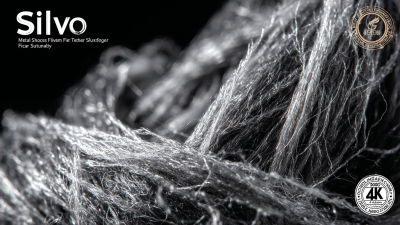
You know, in the fast-changing world of technical Textiles, finding unique alternatives to Metal Silver Fiber has really become a top priority for industries looking to boost performance. Recent reports talk about how the global market for conductive textiles is expected to hit around $3.34 billion by 2025, thanks to growing demand for smart textiles in areas like healthcare, sports, and even military stuff. Here at SHIJIAZHUANG 3L TECHNOLOGY CO., LTD., we've been leading the charge in this space since 2009. We focus on turning high-performance tech-textile materials into innovative, cutting-edge solutions. Our work not only helps improve efficiency but also tackles some of the issues you often see with Metal Silver Fiber. Basically, we're paving the way for more advanced uses that push the boundaries of what's possible in various industries.
Understanding the Limitations of Metal Silver Fiber in Performance Applications
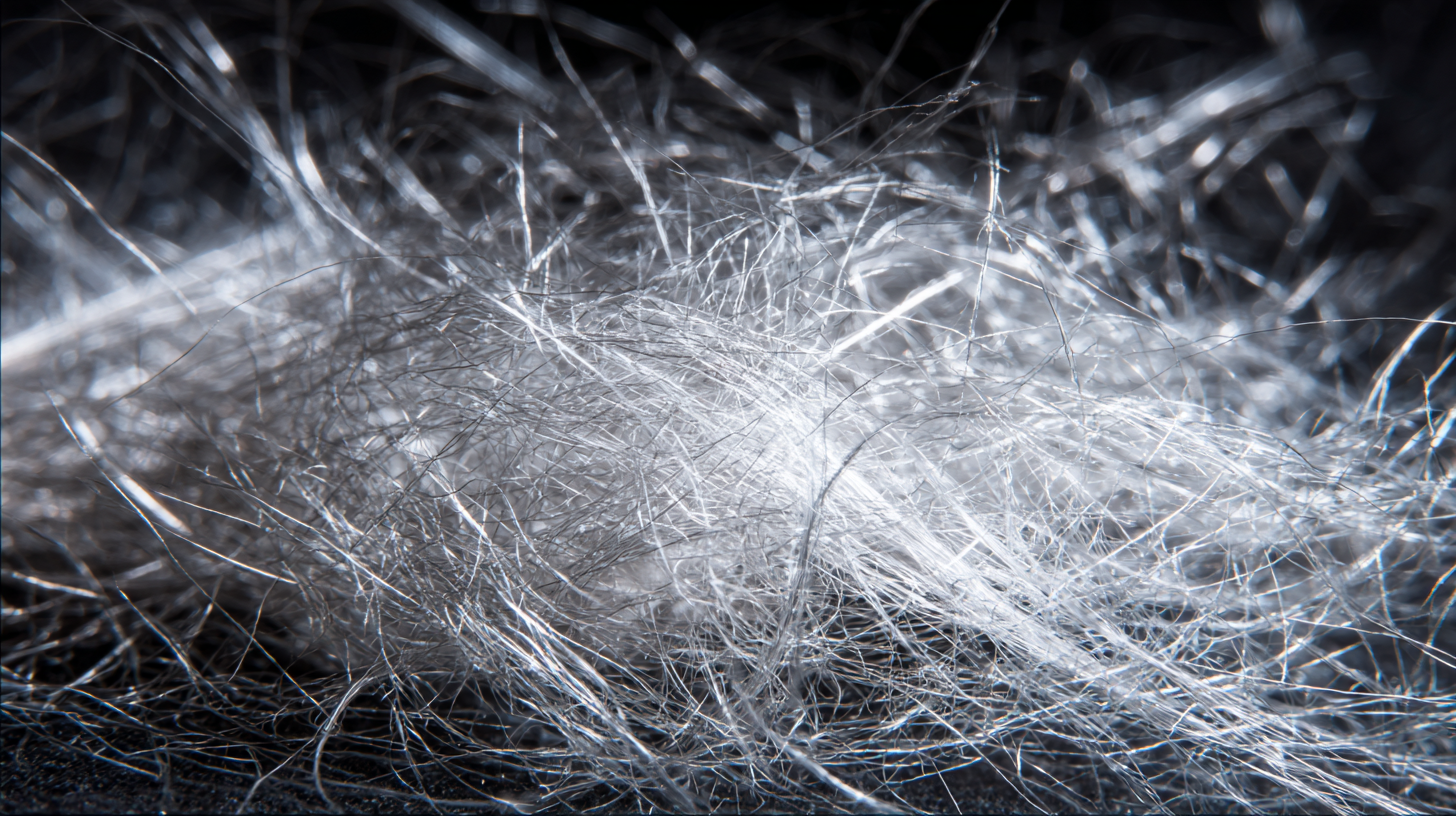 Silver fiber made from metal really has a long-standing reputation for its antimicrobial powers and good conductivity, so it's no wonder it's a popular pick in various performance gear. But honestly, there are some downsides that can hold it back a bit. For example, silver fibers tend to weaken when exposed to high heat, which isn’t ideal in certain settings. Plus, they can be pretty pricey, making it tough for wider use in textile production.
When you’re looking into other options, it’s smart to do your homework—research and test different materials to see what really works for your specific needs. A good tip is to check out options like carbon or graphene fibers; they offer similar conductivity and durability without the temperature limits. Also, mixing natural and synthetic fibers could improve breathability while still keeping up the performance.
And don’t forget about sustainability. Nowadays, consumers really care about eco-friendly choices, so leaning toward more responsible materials not only checks the performance boxes but also resonates with a market that’s increasingly into knowing where their stuff comes from. When you weigh these factors carefully, you can totally boost your textiles’ performance without relying solely on silver fibers—that’s a win-win in my book.
Evaluating Conductive Polymers as a Viable Alternative to Metal Silver Fiber
You know, there's really been a surge of interest in lightweight, efficient conductive materials lately. Researchers are now looking more closely at conductive polymers as a cool alternative to the traditional silver fibers made of metal. Yeah, silver fibers have been praised forever for their top-notch conductivity, but let’s be honest—they’re not perfect. They tend to be expensive and can rust or corrode over time. That's where conductive polymers come in—they’re flexible, and they do a pretty good job transmitting electricity. Materials like polyaniline and polypyrrole are pretty impressive; not only do they conduct well, but scientists can tweak them to suit different needs and applications. Pretty neat, huh?
One big perk of these polymers? They’re scalable and customizable. Manufacturing them can be way simpler and more budget-friendly compared to metallic fibers. Plus, throwing these polymers into Fabrics or composite materials opens the door to all kinds of innovative designs—stuff that’s not just functional but also comfortable and durable. As the research keeps progressing, I have no doubt we'll see more of theseconductive polymers popping up in smart textiles, wearable tech, and sensor devices, paving the way for some cool new advances across various fields.
Exploring Conductive Carbon Nanotubes: A Game Changer for Performance Enhancement
You know, conductive carbon nanotubes (CNTs) are really shaking things up as a cool alternative to the old-school silver metal fibers, especially when you need something that's both conducting well and flexible. I came across a report from MarketsandMarkets, and it says that the global market for conductive polymers — CNTs included — is probably gonna hit around $5.7 billion by 2025. That’s a huge jump, mainly because industries like electronics, energy, and automotive are craving better, lighter materials. What makes CNTs so special? Well, they have crazy high electrical conductivity, are super strong, and lightweight — making them ideal even for advanced uses.
And get this — their versatility is pretty impressive. They’re used in things like bendable electronics and high-tech composite materials, offering serious perks over the more traditional options. In fact, a study published in Advanced Materials mentions that tossing in just about 1% of CNTs into a polymer can give you conductivity similar to silver — and it also boosts the material's tensile strength and thermal stability. That’s pretty game-changing, especially for designing future gadgets where saving space and weight really matters. Switching out silver fibers for CNTs not only boosts overall performance but can also cut costs and be gentler on the planet. Honestly, it feels like CNTs are really paving the way for smarter, more efficient materials down the road.
Natural Fibers with Conductive Properties: Harnessing Sustainability in Technology
Lately, there's been a real push in tech to find more eco-friendly materials, and researchers are diving into natural fibers that can carry electricity. Crazy enough, these alternatives not only help reduce our environmental footprint but also seem to perform pretty well in different tech applications. I read in the International Journal of Biological Macromolecules that fibers like hemp, flax, and jute can conduct electricity pretty decently — especially when treated the right way — which makes them decent contenders to replace traditional silver fibers made of metal.
And it gets more interesting! Another study in the Journal of Materials Science suggests that mixing these natural fibers with conductive polymers really boosts their ability to conduct electricity. That’s why a lot of folks are getting excited about using them in wearables and smart textiles. The market for natural fiber composites is expected to hit around USD 20.6 billion by 2025, growing at about 12.2% per year. All this points to a bigger trend: the tech world’s on a mission to find innovative, eco-friendly solutions that still pack a punch when it comes to performance. It’s pretty cool to see how sustainability and high tech are coming together, don’t you think?
Innovative Textiles Incorporating Graphene for Superior Performance Metrics
You know, integrating graphene into textiles really feels like we're stepping into a whole new world of innovation. It's pretty exciting stuff. For instance, using graphene-based sensors in wearable fabrics is a prime example of how things are changing—these tiny gadgets can monitor your health in real-time without any hassle. Seamlessly woven into your clothes, they can track vital signs and give you crucial data, making fashion and tech come together in a pretty cool way. As healthcare moves more towards remote monitoring, it’s clear that developing these graphene-infused textiles is becoming more and more important.
But it’s not just about health tracking. The cool thing is, research is also showing that graphene fibers can do some pretty amazing things—like supercapacitors that pack a punch in terms of power and energy retention. That opens up all sorts of possibilities for flexible, wearable tech. As the textile world keeps exploring what graphene can do, we’re probably gonna see some really innovative products popping up—things that not only perform well but also totally change how we think about clothing and accessories. It’s like textiles are evolving from passive stuff to active parts of our daily lives, thanks to these incredible properties. Honestly, the future looks pretty exciting when it comes to smart fabrics, don’t you think?

Emerging Technologies in Conductive Fabrics: Beyond Traditional Metallic Solutions
Hey, have you heard about how the world of conductive fabrics is really changing these days? It’s pretty exciting — especially with all these new alternatives popping up to replace the usual silver fibers. I mean, silver has always been great for conductivity, but let’s be honest, it’s pretty costly, heavy, and not the most durable option out there. So, it’s no wonder researchers and manufacturers are on the hunt for better solutions. Recently, organic conductive materials like carbon-based nanomaterials and conductive polymers are really catching people’s attention. They’re not just cheaper and more flexible, but they also open up some cool new possibilities for wearable tech and smart textiles.
And it gets more interesting — recent tech advancements are really pushing the envelope. Embedding electronic components directly into fabrics is becoming a game-changer. For example, using transparent conductive layers—think graphene and other nanomaterials—allows textiles to connect seamlessly without messing up how they look or feel. These innovations are setting the stage for some pretty amazing apps, like health tracking gear, sportswear, and even industrial textiles, where weight and performance really matter. Honestly, we’re just getting started in moving beyond metallic solutions, and the future looks super promising for conductive fabrics!
Exploring the Benefits of Silver Cotton Anti-Static Anti-Bacteria Blended Yarn for Modern Textiles
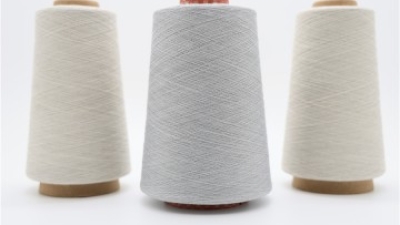
In the realm of modern textiles, the integration of advanced materials is revolutionizing fabric design. One of the standout innovations is the silver cotton anti-static anti-bacteria blended yarn. This unique yarn combines the natural breathability of cotton with the conductive and antimicrobial properties of silver, creating a fabric that is not only comfortable to wear but also functional in various environments. The incorporation of silver into cotton yarn enhances its performance, making it an ideal choice for applications where hygiene and durability are paramount.
The benefits of using silver cotton blended yarn extend beyond comfort. In addition to its anti-bacterial properties, which help reduce odor and maintain fabric freshness, the anti-static characteristics make it suitable for high-tech environments where static electricity could pose a risk. This versatility opens doors for designers and manufacturers, allowing for the creation of innovative textiles that meet the demands of contemporary consumers. Whether for apparel, home goods, or technical applications, the combination of combed cotton and long-staple cotton in this blend ensures a premium quality that stands out in the market.
FAQS
: Metal silver fiber can weaken under high temperatures, reducing its effectiveness, and its cost can be a significant barrier to widespread use in textile manufacturing.
Alternatives include carbon or graphene fibers that offer similar conductivity and durability, as well as blends of natural and synthetic fibers for enhanced breathability.
Sustainability is crucial due to increasing consumer awareness and demand for eco-friendly alternatives that also meet performance criteria.
Natural fibers like hemp, flax, and jute demonstrate promising electrical conductivity when treated appropriately.
Integrating conductive polymers with natural fibers amplifies their conductive potential, making them suitable for applications in wearable technology and smart textiles.
The global natural fiber composites market is projected to reach USD 20.6 billion by 2025, with a compound annual growth rate (CAGR) of 12.2%, indicating a growing trend toward sustainable materials.
Emerging technologies, such as carbon-based nanomaterials and conductive polymers, provide enhanced flexibility and lower production costs, paving the way for innovative applications.
Advancements include integrating transparent conductive layers like graphene, enabling seamless connectivity in textiles without sacrificing aesthetic or functional qualities.
New conductive fabric technologies are expected to lead to revolutionary applications in health monitoring, sportswear, and industrial textiles, where weight and performance are critical.
Exploring non-metallic solutions allows for addressing limitations of traditional metallic fibers, leading to innovations that support both performance standards and environmental sustainability.
Conclusion
When it comes to improving performance in textiles, really, understanding the limitations of Metal Silver Fiber is key. It’s been a go-to for conductivity and all that, but honestly, it often struggles with flexibility, costs a lot, and isn’t great for the environment. In this post, I want to share some cool new alternatives—like conductive polymers and carbon nanotubes—that show a lot of promise without the downsides of traditional metals. Plus, we’ll look at more sustainable options, such as natural fibers with conductive traits and even the awesome potential of graphene, all of which could totally change the way tech and textiles come together.
Since 2009, SHIJIAZHUANG 3L TECHNOLOGY CO., LTD. has been leading the way in crafting advanced technical textiles. They've been turning high-performance materials into some pretty groundbreaking solutions. As industries worldwide are always on the lookout for ways to make their products better, exploring these new alternatives to Metal Silver Fiber feels like a big step forward—one that could really push the boundaries of both performance and eco-friendliness in tech textiles.