In today’s fast-evolving Textile world, choosing the right materials isn’t just important—it’sessential, especially for high-performance applications. Meta Aramid Fiber Yarn stands out as a real game-changer, delivering standout heat resistance, durability, and a lightweight profile that suits a wide range of demanding environments. At SHIJIAZHUANG 3L TECHNOLOGY CO., LTD., we’ve been at the forefront of professional and advanced technical textiles manufacturing since 2009. Our expertise in turning high-performance tech-textile materials into practical, revolutionary solutions makes us a leading innovator in this space. As we explore the benefits of picking the best Meta Aramid Fiber Yarn for your needs, we’ll show how this remarkable material can enhance your products and boost efficiency, helping you stay competitive in your industry.
Understanding Meta Aramid Fiber: Properties and Benefits
Meta aramid fiber is known for its standout thermal stability and chemical resistance, and it's a material that shows up in a lot of different industries. The Technical Textile Association recently notes that these fibers can handle temperatures well above 350°C, which is why they’re so well-suited for firefighting gear, aerospace components, and protective clothing. Their built-in flame-retardant properties aren’t just about safety on the job—they’re crucial in any setting where extreme heat is a daily thing.
Beyond heat resistance, meta aramid fibers boast impressive tensile strength—up to five times stronger than steel when you compare equal weights. That kind of durability, paired with low flammability, helps explain why these fibers are a go-to for high-performance textiles in automotive and industrial sectors. Market research from Global Market Insights also points to a significant uptick in demand, underscoring their growing role in safety and performance—from military gear to premium consumer products.
If you’re weighing which yarn to use for a specific application, understanding these properties is a key starting point.
Types of Meta Aramid Fiber Yarns: A Comprehensive Overview
Choosing the best meta-aramid fiber yarn for different applications isn't a one-size-fits-all deal. You really have to get to know the types out there. Meta-aramid fibers are famous for staying cool under heat and resisting chemical damage, which is why they're such a go-to for high-performance textiles (think protective gear for firefighters). When you look at these fibers closely, aging behavior becomes a big deal. A recent study pointed out how these fibers break down over time in harsh conditions, and that degradation can directly affect how well they protect you.
People are also turning to natural fibers as a greener alternative in composites, especially as concerns about synthetic materials grow. But dyeing meta-aramid fibers is no walk in the park. They're highly crystalline and pretty inert, which makes taking up dye a challenge. A study on the dyeing mechanisms showed how tough it is to get consistent color.
On top of that, progress in fabric construction, like knitting techniques and different knit stitches, has been paying off. These advances can boost thermal comfort and help manage moisture in protective wear. All this adds up to a key takeaway: picking the right meta-aramid yarn should be guided by the specific performance you need—durability, functionality, and sustainability included.
Selecting the Right Yarn: Key Considerations for Different Applications
When you're picking the right meta aramid fiber yarn, the first question is what your end use actually needs. Meta aramids are renowned for their superb heat and flame resistance, placing them firmly in the high-performance materials category. A market analysis from Grand View Research puts the global aramid fiber market at about USD 5.67 billion by 2025, with protective clothing and industrial applications driving a large share. That underscores why it's so important to choose a yarn that fits the operating environment—whether you're working in aerospace, automotive, or electrical insulation.
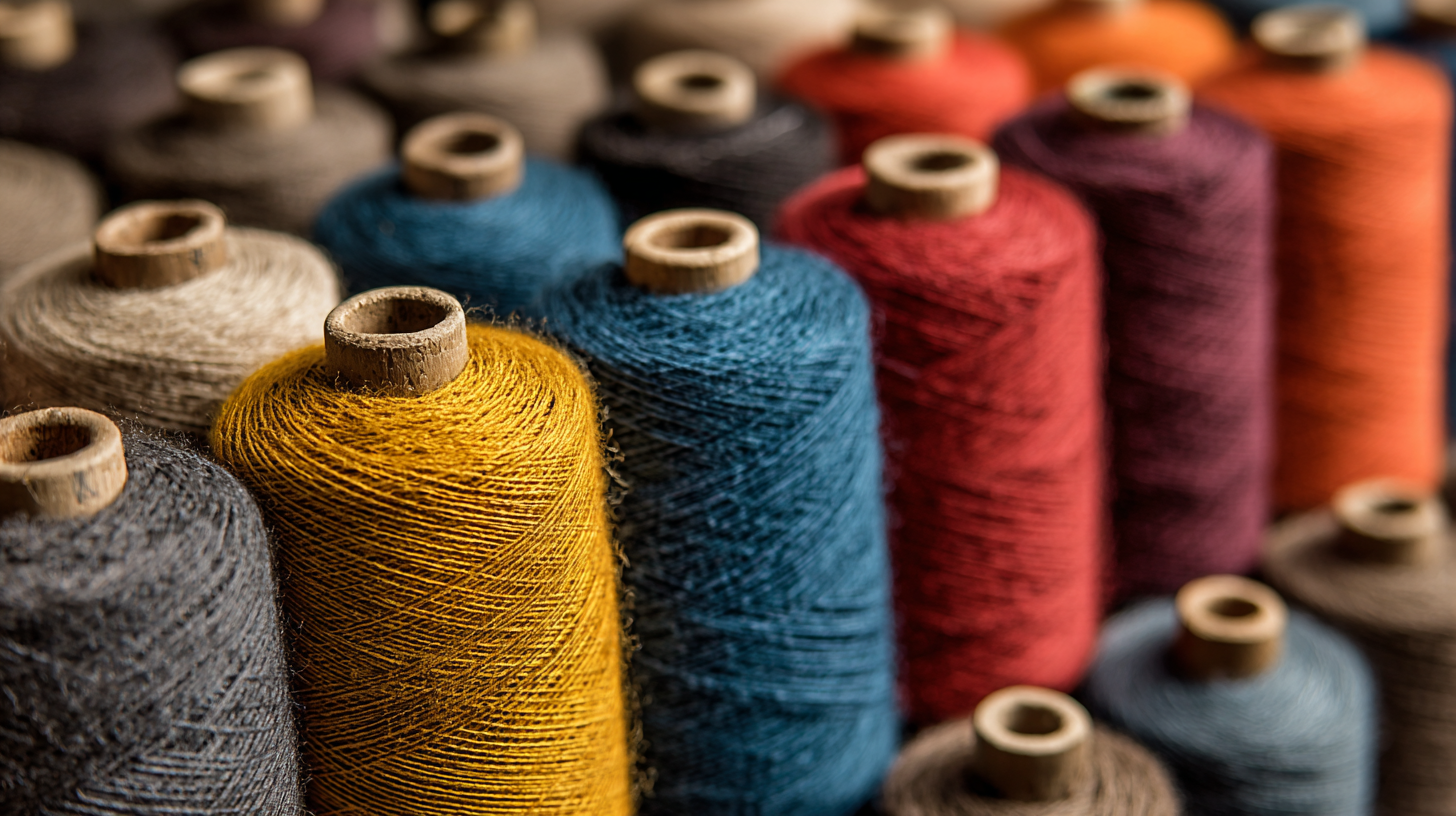
Key considerations include tenacity, elongation, and thermal stability. For example, high-tenacity meta aramid yarn is a solid choice when you need robust strength and durability, especially in protective apparel. Research in the Journal of Applied Polymer Science shows that a well-blended yarn can boost performance under thermal exposure by up to 30%. Also, factors like twist and denier matter a lot for resilience and how easy the yarn is to weave. Tailoring your pick based on these factors helps ensure optimal performance and safety for end users in harsh environments.
Performance Characteristics of Meta Aramid Fiber in Extreme Conditions
When you’re choosing the best meta aramid fiber yarn, it helps to know how it behaves in extreme conditions. Meta aramid fibers are famous for their heat resistance and can handle continuous exposure up to 400°F (204°C). That kind of durability makes them a solid pick for aerospace applications and for protective clothing where safety can’t be compromised. A Freedonia Group report even projects that demand for aramid fibers will top 600 million pounds by 2024, underscoring how important this material is in demanding environments.
On top of that, meta aramid fibers show impressive chemical resistance. They stand up to a range of acids and bases, which is key for things like filtration and insulation where harsh chemicals are common. Research in the Journal of Applied Polymer Science shows that meta aramid yarn keeps its integrity in acidic environments with pH down to 2. As industries keep chasing materials that blend performance with safety, meta aramid fiber clearly stands out in extreme conditions.
Mastering the Craft of Selecting the Best Meta Aramid Fiber Yarn for Your Needs - Performance Characteristics of Meta Aramid Fiber in Extreme Conditions
| Performance Metric | Value | Conditions Tested |
| Tensile Strength | 500 MPa | High Temperature |
| Thermal Stability | Up to 300°C | Continuous Exposure |
| Abrasion Resistance | Excellent | Rough Surfaces |
| Chemical Resistance | Good | Acids and Bases |
| Flexural Modulus | 2000 MPa | Impact Conditions |
Comparison of Leading Brands in Meta Aramid Fiber Yarns
Choosing the best meta aramid fiber yarn for your needs basically comes down to knowing who the big players are. Getting a feel for the leading brands can really steer your decision. Lately, there have been some notable collaborations among top companies aimed at boosting both technology and sustainability in flame-resistant textiles. For example, a high-profile partnership is pushing aramid fiber tech forward in the Asia Pacific region, underscoring how innovation helps keep safety standards up while lifting performance.
On the sustainability front, the industry is tackling environmental concerns with recycling initiatives. Turning used flame-resistant workwear into new garments shows just how effective recycled fibers can be. Reports suggest that these recycled products can match the performance of virgin fibers, which makes them a viable option for eco-focused buyers.
Tips: When you're picking meta aramid fiber yarn, look at how much a brand is investing in innovation and sustainable practices. Seek companies that bake recycling into their product lines. And don't forget to check the yarn's technical specs to ensure it meets the relevant industry performance standards, which can vary depending on the application and how you plan to use it.
Maintenance and Care Tips for Longevity of Your Selected Yarn
Choosing the best meta-aramid fiber yarn for your needs is only part of the job—the real trick is keeping it in good shape so it lasts. At SHIJIAZHUANG 3L TECHNOLOGY CO., LTD., we’re big on proper upkeep because it directly affects performance. Once you understand the specific properties of meta-aramid fibers, you can build a care routine that actually works for you.
One simple, practical tip: keep the yarn clean and free of debris. Regularly check for signs of wear or damage, and when you clean it, opt for a gentle method with mild detergents to protect the fibers. Also, store the yarn in a cool, dry place away from direct sunlight to prevent deterioration over time.
Another important point: avoid exposing meta-aramid fibers to harsh chemicals or extreme temperatures, since those can weaken the material’s strength and resilience. If you follow these guidelines, you’ll get the most out of the high-performance yarns we proudly manufacture, and they’ll deliver reliable solutions for your industry for years to come.
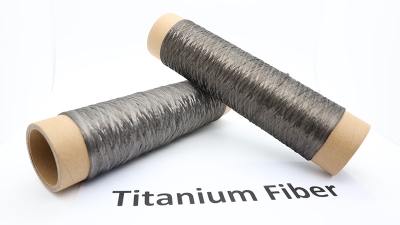
Exploring the Benefits and Applications of 8μm ~ 50μm Pure Titanium Fiber in Modern Industries
The advent of 8μm to 50μm pure titanium fiber marks a significant innovation in materials science, with transformative implications across various modern industries. This micron-grade thin filament, produced from pure titanium or titanium alloy materials, undergoes advanced processing techniques to achieve its exceptional properties. With a large specific surface area and remarkable flexibility, pure titanium fiber combines the superior performance of titanium metal with the advantageous characteristics of metal fibers. This dual capability positions it as a key player in high-tech applications.
In the realm of electronics, the integration of titanium fibers facilitates enhanced conductivity and performance in components, paving the way for more efficient devices. Similarly, in environmental protection, these fibers are utilized for filtration systems that require high strength and corrosion resistance, proving effective in the removal of pollutants. As industries in Europe and America increasingly seek innovative materials to address modern challenges, the adoption of pure titanium fiber is set to redefine standards in durability and functionality, making it a pivotal element in advancing technology and sustainability in various sectors.
FAQS
: Meta aramid fiber yarn is primarily used in protective clothing, aerospace, automotive, and electrical insulation sectors due to its outstanding heat and flame resistance.
Key considerations include the yarn's tenacity, elongation, thermal stability, twist, and denier, which impact its strength, resilience, and manageability.
Meta aramid fibers can withstand continuous temperatures up to 400°F (204°C), making them ideal for high-safety applications in extreme environments.
The global aramid fiber market is expected to reach USD 5.67 billion by 2025, driven by demand for protective clothing and industrial applications.
A well-blended yarn can enhance performance in thermal exposure by up to 30%, improving safety and durability in high-temperature environments.
Meta aramid fibers exhibit exceptional chemical resistance, remaining largely unaffected by a range of acids and bases, making them suitable for industrial applications exposed to harsh chemicals.
The twist of the yarn is critical in determining its resilience and manageability during the weaving process, affecting the final product's effectiveness in harsh conditions.
The increasing emphasis on materials that offer both performance and safety in demanding environments is driving the growing importance and demand for aramid fibers, projected to surpass 600 million pounds by 2024.
High-tenacity meta aramid yarn is essential for protective apparel as it provides robust strength and durability, ensuring safety for users in hazardous situations.
Meta aramid fibers are beneficial in extreme conditions featuring high temperatures and chemical exposures, making them suitable for applications such as filtration, insulation, and protective gear.