In today's ever-changing world of Textiles, the push for more advanced materials that not only perform better but also offerhealth benefits is really picking up. I recently came across a report from MarketsandMarkets that predicts the global market for antimicrobial textiles could hit around $12.1 billion by 2025. A lot of this growth is driven by folks becoming more conscious about hygiene and looking for innovative solutions across different industries.
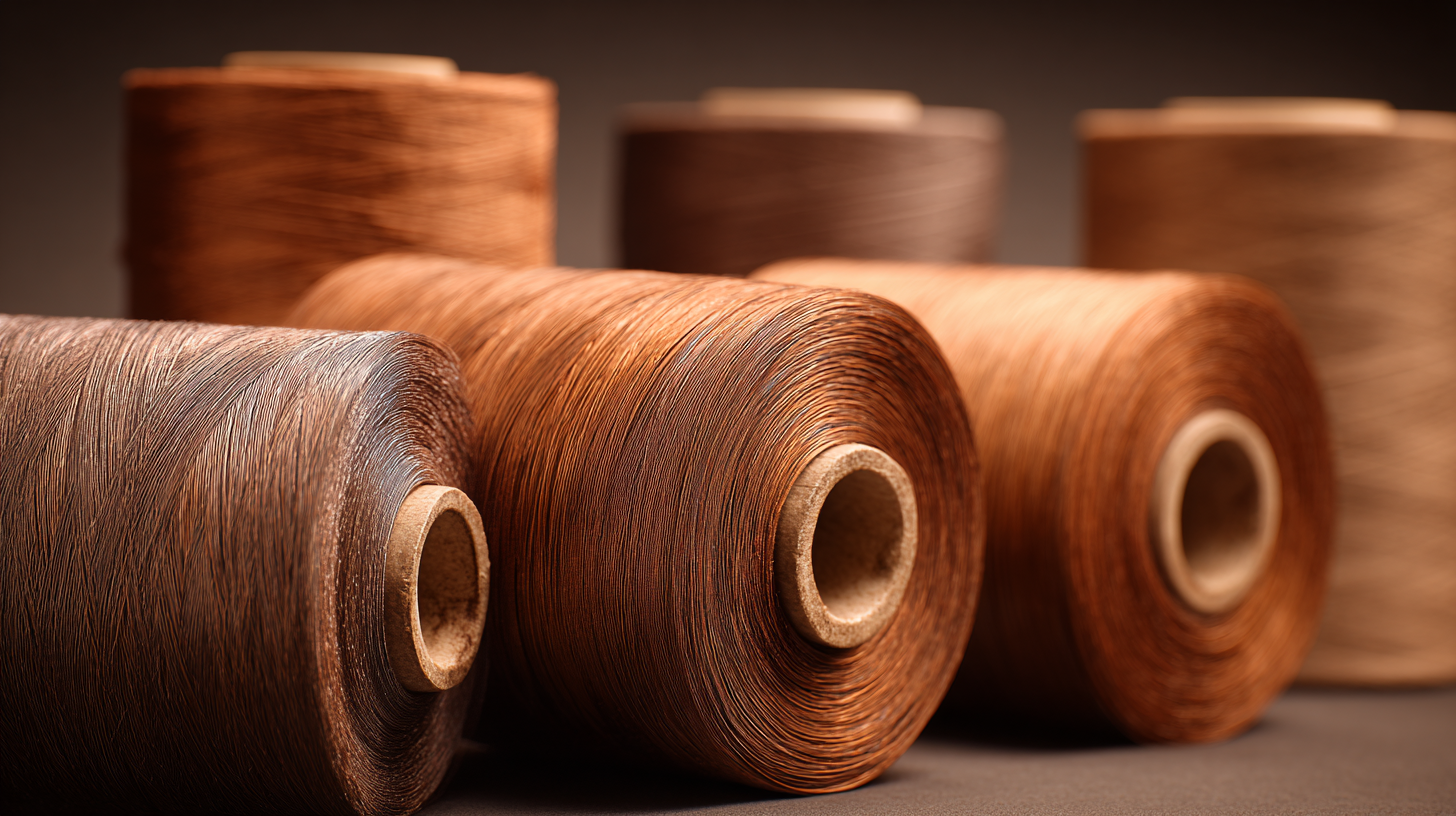
Since 2009, SHIJIAZHUANG 3L TECHNOLOGY CO., LTD. has been a leader in the field, especially in producing high-tech textiles. They've really taken notice of these trends and pioneered the use of Anti Bacterial copper fiber. This stuff is pretty amazing—it's got natural antimicrobial qualities and even boosts how durable and high-quality the finished products are. That makes it a perfect choice for sourcing around the world.
By using Anti Bacterial Copper Fiber, companies can step up their game, offering safer, more reliable products that meet what today’s consumers are really after.
Utilizing Anti-Bacterial Copper Fiber: A Game Changer for Product Quality Improvement
In today's world, where folks are really paying more attention to health and safety, using anti-bacterial copper fiber in Manufacturing is pretty much a game-changer. I came across a study in the Journal of Bacteriology that showed copper fibers can kill up to 99.9% of bacteria in just a few minutes—that's pretty mind-blowing! This not only makes products safer but also gives brands a nice edge, especially when competing on the global stage.
And honestly, you can really see how people's focus on hygiene is growing. A recent report from Grand View Research predicts that the worldwide market for antimicrobial textiles could hit around $16.1 billion by 2025, growing at about 12% annually from 2019 onward. So, by incorporating anti-bacterial copper fibers, manufacturers aren't just hopping on a trend—they're actually meeting real consumer demand and boosting product quality at the same time. These days, with more consumers looking for health-conscious options, using materials that actively fight off microbes isn’t just a clever move; it’s pretty much a must if brands want to stay relevant and succeed in this competitive market.
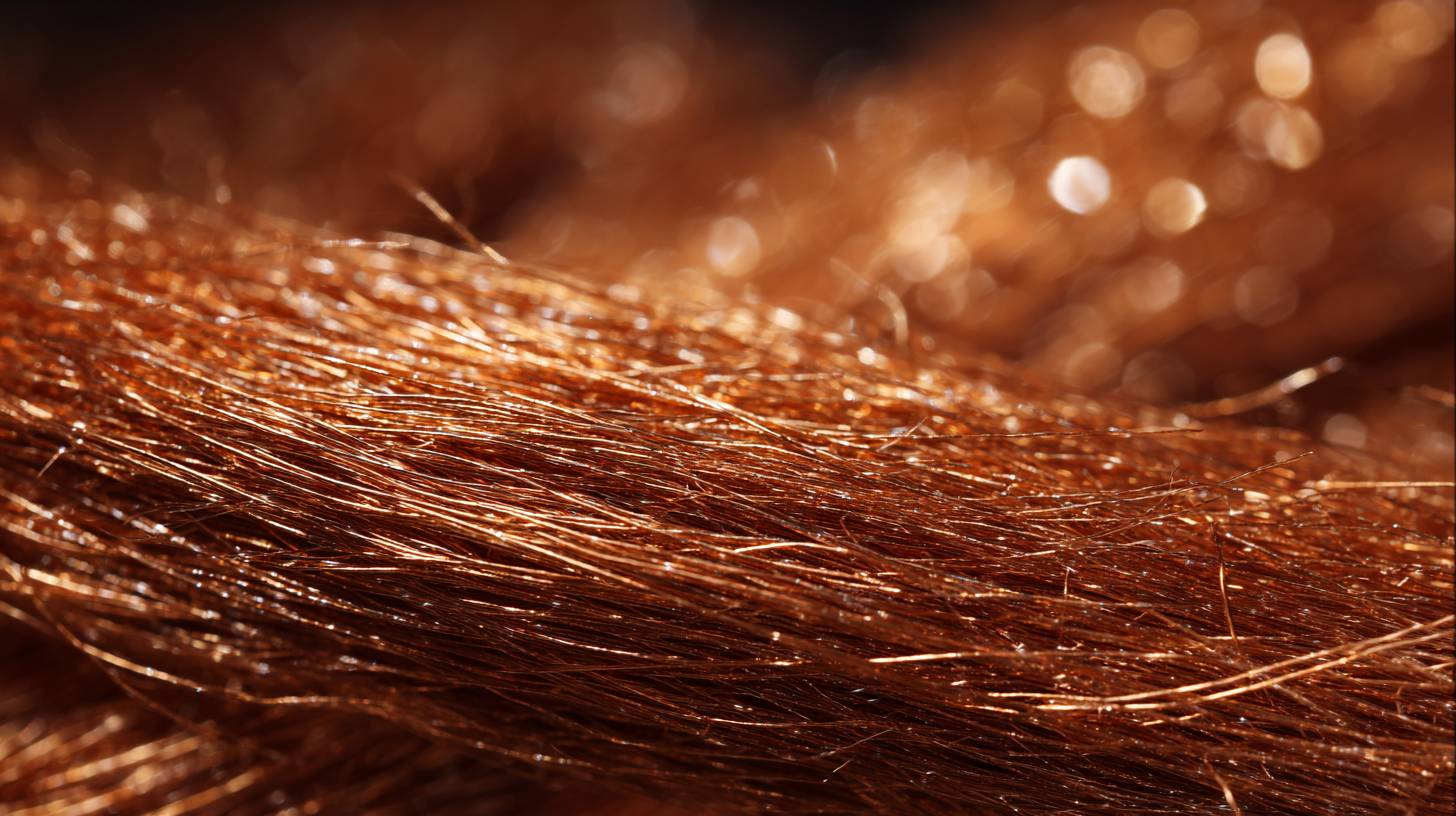
Comparative Analysis of Traditional Fabrics versus Copper Fiber in Global Sourcing
When you're diving into the world of global sourcing, one thing that really makes a difference is the choice of fabric. I mean, you've probably seen how traditional materials like cotton and polyester have been the go-to options for ages—mostly because they’re easy to get and cheap to produce. But here’s the thing: these fabrics can sometimes trap bacteria, which can cause odors and even wear out faster over time. On the flip side, fabrics made with copper fibers are pretty impressive because they actually incorporate copper's natural antibacterial powers right into the weave. This means not only do they last longer, but they also promote better hygiene—an aspect that’s become pretty important for brands looking to deliver top-notch quality.
Looking at the big picture, you realize that while traditional fabrics might save you a few bucks upfront, they could end up costing more in the long run. Their potential for bacterial build-up and quicker wear could mean more frequent replacements or treatments, not to mention the need for chemical finishes that sometimes irritate sensitive skin. Copper fiber fabrics, however, naturally fend off bacteria, reducing the need for those chemical treatments. Plus, they perform really well, aligning perfectly with the current trend towards more sustainable and functional textiles. As global sourcing shifts focus—not just on cost and availability but also on product quality and consumer health—it's clear that switching to copper fiber technology might just give brands that extra edge they need to stand out.
The Impact of Anti-Bacterial Properties on Consumer Health and Product Longevity
Using anti-bacterial copper fibers in product design isn’t just about making things last longer—it’s also a smart move for our health. Copper’s natural antibacterial qualities help cut down the risk of infections and keep things cleaner overall. Since more and more folks are caring about their health and safety when they shop, putting these fibers into textiles and clothing can really help brands stand out in a crowded market. This trend makes even more sense when you consider how the high-performance fabric industry is expected to explode by 2032, thanks to new tech and fiber innovations.
Back in 2023, the market for hydrophilic agents was sitting around $1.13 billion. It’s predicted to grow to about $1.17 billion in 2024 and could hit a hefty $1.59 billion by 2032. People are becoming more aware of how the materials in their everyday products—like activewear or household textiles—can impact their health and well-being. Plus, as companies look for sustainable sources, adding antibacterial features into products isn’t just about safety anymore; it’s about longevity and eco-friendliness too. In this shifting landscape, brands that really focus on innovative, health-conscious materials are likely to get a leg up when it comes to global sourcing and staying ahead of the game.
Market Trends: The Rise of Sustainable Materials in Textiles and Apparel
Hey, you know what's really interesting right now? The textile and apparel world is shifting pretty quickly towards using more sustainable materials. Recent market reports are highlighting this trend big time. For instance, the global nylon fiber market is expected to jump from about $8.44 billion in 2025 to roughly $12.92 billion by 2032 — that's a solid 6.3% annual growth rate. And get this, the whole textile industry itself is projected to hit a staggering $1,419 billion by 2032, up from around $983 billion in 2024, growing at about 4.7% per year. It’s pretty clear that sustainable practices are no longer just a nice-to-have—they’re actually driving the market now.
On top of that, the eco-friendly fiber market is set for some serious growth, expected to grow from roughly $56.8 billion in 2023 all the way up to nearly $121 billion by 2032. That’s an impressive CAGR of 8.8%! More and more consumers are asking for eco-conscious textiles, pushing manufacturers to get creative—like using innovative materials such as anti-bacterial copper fiber. Not only does it tick the sustainability box, but it also improves the overall quality of products. This shift really highlights how important it is for brands to weave sustainability into their sourcing strategies if they want to stay competitive in a market that's increasingly all about caring for the environment.
Quantifying the Cost-Benefit Analysis of Incorporating Copper Fiber in Production
Adding antibacterial copper fiber into the manufacturing process can be a real game-changer for companies looking to boost their product quality without breaking the bank. Copper fibers are pretty impressive—they can cut down bacteria growth by up to 99.9%, which means the end products are way more hygienic. Sure, the initial cost of using these high-tech materials might seem steep at first, but in the long run, you might actually save money because your products last longer and need less maintenance. Plus, studies show that textiles infused with copper in healthcare settings can reduce infection rates by around 20%. That’s a huge plus when it comes to reducing healthcare costs overall.
And let’s not forget about the environment. Sourcing materials sustainably is more important than ever. Recent research on eco-friendly concrete, for example, shows that using stuff like copper slag as an alternative aggregate can boost compressive strength by about 10-15%, and it also helps recycle waste material. This kind of approach really aligns with what companies like SHIJIAZHUANG 3L TECHNOLOGY CO., LTD. are into—finding innovative, sustainable solutions in the tech-textile space. By incorporating antibacterial copper fiber, not only do you get a stronger, safer product, but you're also supporting more eco-friendly sourcing methods. In today’s fast-changing industrial world, collaborations like these highlight just how big of a role advanced materials play in achieving both economic gains and better environmental practices.
Cost-Benefit Analysis of Incorporating Anti Bacterial Copper Fiber in Production
Evaluating Performance Metrics: Durability, Comfort, and Hygiene in Fabric Selection
When you're diving into fabric choices for global sourcing, it’s really important to think about how well they perform — stuff like durability, comfort, and hygiene. You know, anti-bacterial copper fiber is pretty amazing in this regard. It’s got some pretty innovative qualities that boost these factors big time. For example, a report from the Textile Industry Association back in 2021 mentioned that fabrics infused with copper fibers can cut down bacterial growth by 99% in just two hours. That’s a big deal because it means your garments are way cleaner and they last longer, so you don’t need to replace them as often due to wear and contamination.
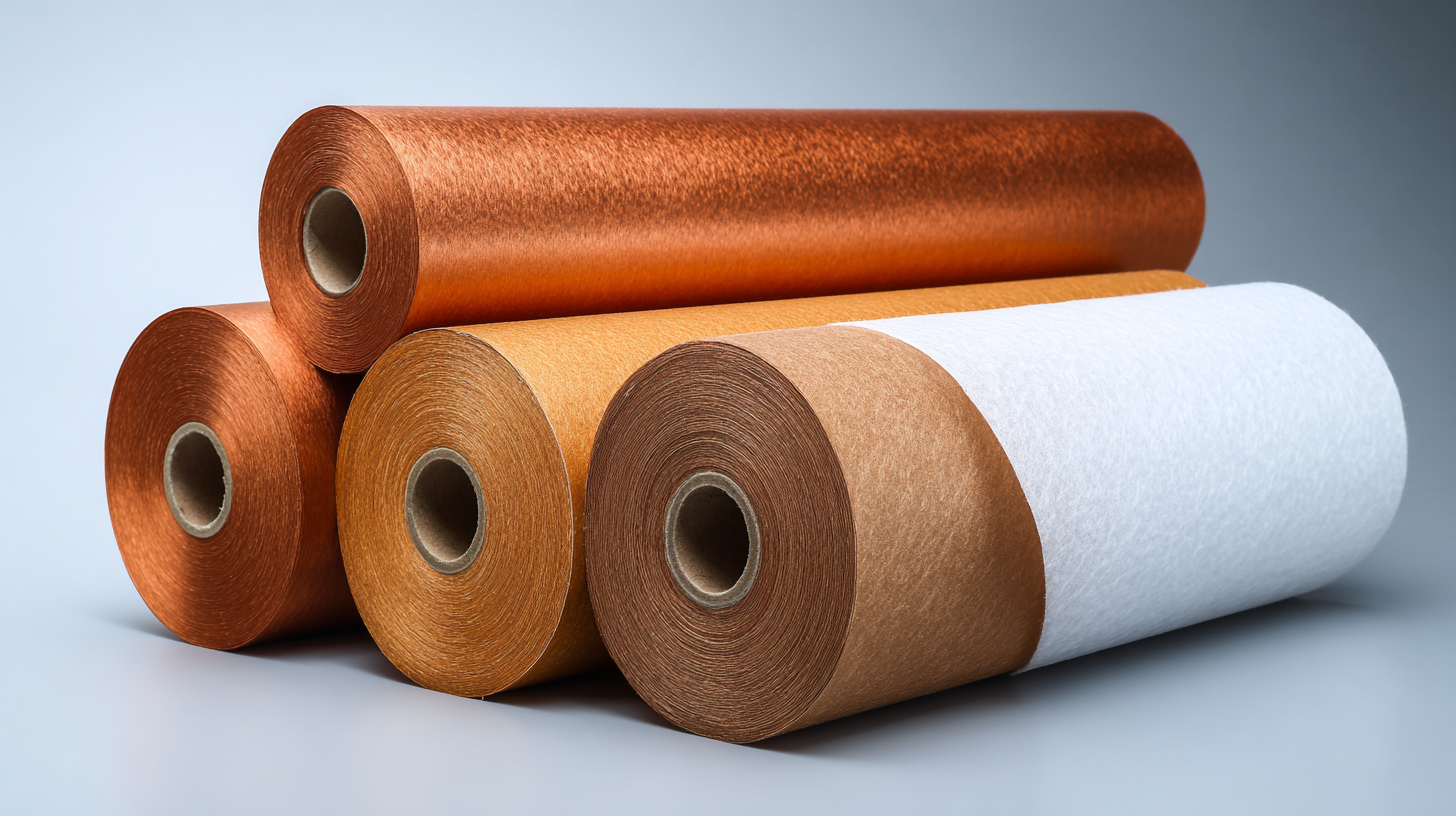
Durability’s another key point here. Luckily, anti-bacterial copper fibers are built tough. They’re designed to handle the rigors of everyday use and still keep their antimicrobial powers intact. Some studies suggest that fabrics with copper fibers can go through over 50 wash cycles without losing their effectiveness. And don’t forget comfort — that’s a huge deal for consumers. Copper fibers have this unique composition that makes the fabric feel soft and breathable, which just makes wearing them way more pleasant. By using these kinds of fibers, manufacturers can really meet people’s expectations for high-quality, long-lasting, and hygienic products. In the end, it helps brands stand out in the crowded global market, no doubt.
FAQS
: Anti-bacterial copper fibers enhance product longevity, minimize infection risks, and promote a cleaner environment, significantly influencing consumer health.
Rising consumer awareness regarding health and safety has increased the demand for products that incorporate anti-bacterial features, particularly in textiles and apparel.
The high-performance fabric market is projected to experience significant growth by 2032, driven by innovations in fiber technology, including anti-bacterial properties.
Fabrics infused with copper fibers can achieve a 99% reduction in bacterial growth within two hours of contact, ensuring a high level of hygiene.
Yes, textiles incorporating copper fibers can endure more than 50 wash cycles without losing their antimicrobial properties.
Manufacturers should consider durability, comfort, and hygiene as key performance metrics in fabric selection for global sourcing.
The unique composition of copper fibers offers a soft, breathable experience, enhancing wearability compared to many traditional fabrics.
Sustainable sourcing options are increasingly integrated into everyday products with anti-bacterial properties to meet consumer demand for health-focused materials that are environmentally friendly.
Brands that prioritize innovation in health-focused materials, such as anti-bacterial copper fibers, are more likely to gain a competitive edge in the market.
The hydrophilic agent market was valued at approximately $1.13 billion in 2023 and is expected to grow to $1.59 billion by 2032.
Conclusion
In today’s really competitive world, using Anti-Bacterial Copper Fiber in textiles is turning out to be a game-changer. It’s not just about making fabrics more durable and hygienic — it actually gives products a boost in quality that consumers really notice. Plus, it’s great for health and helps products last longer. When manufacturers tap into the amazing qualities of Anti-Bacterial Copper Fiber, they’re better positioned to meet the growing demand for eco-friendly and sustainable options. This way, their products stay relevant even as global sourcing and market trends shift.
And let’s be honest — while the upfront cost might seem a bit steep at first, the long-term savings are pretty impressive. Reduced maintenance, happier customers, and a stronger reputation for quality all add up. As SHIJIAZHUANG 3L TECHNOLOGY CO., LTD. continues to push the boundaries with advanced technical textiles, embracing innovations like this can really set industries apart — boosting durability, comfort, and hygiene. Ultimately, it’s about creating safer, more sustainable products for people everywhere. It’s exciting to see where this tech can take us!