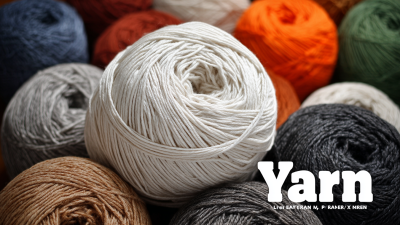
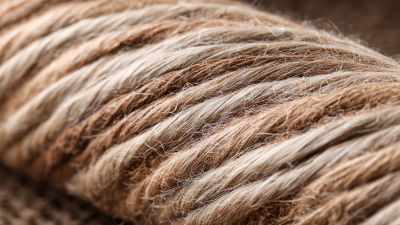
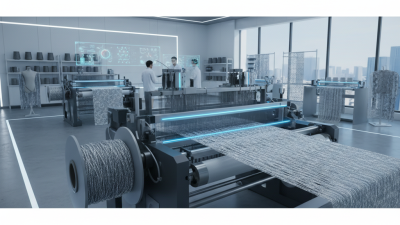
As the textile industry keeps changing, you can't overlook the importance of Metal Fiber Polyester Mixed Yarn. Honestly, this stuff is pretty cool — it blends the toughness of metal fibers with the soft, comfortable feel of polyester. Companies like Global Textile Innovations have really started to see how many advantages it offers. Not only does it make Fabrics stronger, but it also boosts their ability to conduct heat and electricity, which is pretty impressive.
That said, jumping into using this kind of yarn isn’t always straightforward. Finding high-quality metal draw-cut fibers or stainless steel mixed sliver can be a real headache. Plus, it’s not always easy to figure out if your suppliers are reliable — you’ve got to do your homework and dig a bit to build a solid supply chain.
And let’s not forget, production costs can go up or down pretty unpredictably, affecting prices for folks around the world. Even with all these benefits, it’s important for potential buyers to weigh the pros and cons carefully. Getting a good handle on the ins and outs of Metal Mixed Staple Fiber or metal cutting staple fibers is definitely key. With that knowledge, companies can make smarter choices that really help improve their product lines.

Benefits of Enhanced Durability in Metal Fiber Polyester Yarn
Metal fiber polyester mixed yarn offers remarkable durability for a wide range of applications. As more industries seek sustainable solutions, this yarn has become a go-to for many buyers globally. Reports show that incorporating metal fibers significantly enhances the strength and lifespan of textiles. Researchers have found that products made from metal fiber with polyester mixed fiber can withstand harsher conditions better than traditional yarns.
In textiles, durability is not just a feature; it’s a necessity. Metal fiber polyester yarn exhibits resistance to wear and tear, making it suitable for demanding environments. Industries, such as automotive and aerospace, benefit from this resilience. A study conducted by the Textile Research Institute noted that the thermal stability of these mixed yarns could increase by 30% compared to standard polyester blends.
**Tip:** When considering materials, pay attention to the type of blend. Not all fibers perform the same. A proper mix can offer better results in durability and functionality.
Moreover, the lightweight nature of metal fiber mixed yarn doesn't compromise on strength. This characteristic is essential for applications requiring flexibility and toughness. Buyers should weigh these benefits against potential costs. Sometimes, investing in higher-quality materials leads to long-term savings.
**Tip:** Evaluate your specific needs. The right blend can yield significant performance improvements, aligning with budget constraints while enhancing product longevity.
Top 10 Benefits of Metal Fiber Polyester Mixed Yarn for Global Buyers
| Benefit | Description | Impact on Users |
| Enhanced Durability | Metal fibers provide increased resistance to wear, tear, and environmental degradation. | Longer product lifespan and reduced replacement costs. |
| Improved Strength | Combines the strength of metal with the flexibility of polyester. | Greater reliability in high-stress applications. |
| Thermal Conductivity | Metal fibers help in dissipating heat effectively. | Increased comfort in thermal regulation apparel. |
| Static Control | Metal fibers help reduce static electricity build-up. | Safer environments in electronics and sensitive industries. |
| Water Resistance | Metal fibers enhance the water-resistant properties of textiles. | Increased performance in outdoor and industrial applications. |
| Eco-Friendly | Recyclable materials reduce environmental impact. | Appeal to sustainability-focused consumers. |
| Versatility | Suitable for various applications including textiles, composites, and industrial products. | Broader market opportunities for manufacturers. |
| Aesthetic Qualities | Provides unique textures and finishes to fabrics. | Increased design possibilities in fashion and functional wear. |
| Cost-Effectiveness | Reduced maintenance costs due to durability and quality. | Improved profit margins for businesses. |
| Health Benefits | Metal fiber in textiles can offer antimicrobial properties. | Better hygiene in clothing and uniforms. |
Improved Thermal Conductivity for Better Temperature Regulation
Metal fiber polyester mixed yarn is gaining attention for its thermal conductivity features. This unique blend enhances temperature regulation, making it suitable for various applications. The integration of metal fibers allows for improved heat distribution, reducing the likelihood of overheating. Users can experience increased comfort through better temperature management, especially in clothing and textiles.
One aspect to consider is that while the thermal benefits are clear, the balance between comfort and functionality may not always meet expectations. Some users report issues with the weight or stiffness of the fabric. Additionally, the durability of this yarn must be evaluated, as excessive wear may impact its thermal properties. Keeping these factors in mind can help buyers make informed choices about their textile needs.
Versatile Applications Across Various Industries
Metal fiber polyester mixed yarn is gaining traction in various industries. Its unique properties lead to innovative applications. This yarn combines the strength of metal fibers with the versatility of polyester. Reports indicate a growing demand in sectors like textiles, automotive, and electronics.
In the textile industry, this mixed yarn is used for creating flame-retardant and conductive fabrics. For example, the global market for flame-retardant fabrics is expected to reach $5.7 billion by 2025, highlighting the importance of safety in clothing. In the automotive sector, interior materials made from this yarn enhance both durability and aesthetics. Furthermore, electronic products benefit from its conductive properties. These applications improve performance and reliability across the board.
Tips: When considering metal fiber polyester yarn, evaluate the specific needs of your application. It can be more expensive than regular yarn, but the benefits often outweigh the costs. Collaborating with experts can also lead to better results. Always check for certifications to ensure quality and safety in your products.
Environmental Benefits of Using Metal Fiber Polyester Yarn
Metal fiber polyester mixed yarn is transforming the textile industry by offering significant environmental benefits. This innovative material integrates metal fibers with polyester, resulting in a product that enhances fabric durability while reducing environmental impact. The inclusion of metal fibers can improve the overall recyclability of textile products, encouraging sustainable practices. By using recycled polyester in this blend, producers can minimize the carbon footprint associated with new raw materials.
The production of metal fiber with polyester mixed fiber typically requires less water and energy compared to conventional polyester. This reduction in resource consumption is essential in combating climate change. Additionally, products made from this yarn can have longer lifespans, which translates into less waste. Support for sustainable fashion movements is growing, and this yarn plays a crucial role in that trend.
Tips: When purchasing fabrics, prioritize those made from sustainable materials. Investigate the production processes of your suppliers to ensure they follow eco-friendly practices. Always recycle textiles whenever possible, reinforcing the lifecycle of materials in the industry. The move towards using metal fiber with polyester mixed fiber reflects a broader trend towards sustainability and responsible sourcing in textiles.
Cost-Effectiveness in Production and Long-Term Use
Metal fiber polyester mixed yarn offers considerable cost-effectiveness in production and long-term use. This material combines durability with low maintenance. Buyers from various sectors benefit from its affordability and lasting performance. The unique blend enhances strength and provides a premium feel, making it ideal for diverse applications like apparel and industrial textiles.
When selecting materials, consider manufacturing processes. Efficient production can reduce costs significantly. Seek suppliers who prioritize sustainable practices. This not only helps the environment but also promotes brand responsibility. Engaging with knowledgeable sources can enhance your understanding of material behavior in different conditions.
Investing in metal fiber polyester yarn means lesser replacement costs over time. Quality materials lead to better longevity. However, some users find compatibility issues with certain dyeing processes. Careful testing before mass production is recommended. Always reflect on your production choices to maximize value.
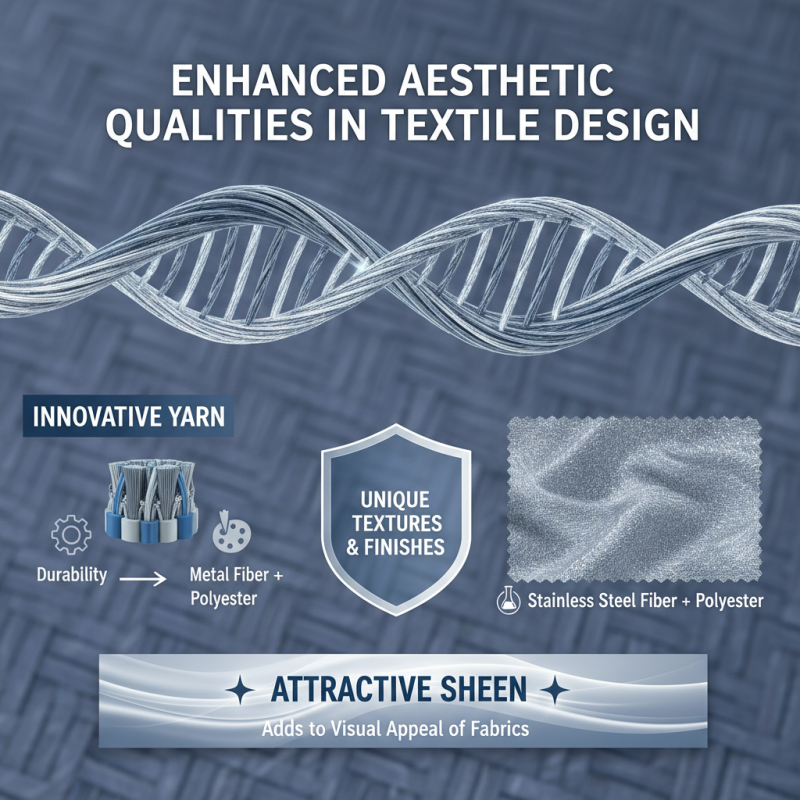
Enhanced Aesthetic Qualities in Textile Design
Metal fiber polyester mixed yarn has gained attention for its role in enhancing aesthetic qualities in textile design. This innovative yarn combines the durability of metal fibers with the versatility of polyester. Recent studies indicate that textiles made with stainless steel fiber with polyester mixed fiber exhibit unique textures and finishes. The presence of metal fibers offers an attractive sheen, adding to the visual appeal of fabrics.
Moreover, this mixed yarn allows designers to experiment with various colors and patterns. The reflective properties of metal fibers create dynamic surface effects, making garments more visually engaging. Reports show that textiles with a blend of metal and polyester fibers have gained popularity, with a market growth rate of over 5% annually. Designers appreciate the ability to create eye-catching pieces that stand out in a competitive market.
However, it's important to consider the environmental impact of these materials. The production process of metal fiber can be energy-intensive. Brands must seek to balance aesthetic innovation with sustainability. Future developments should focus on improving the eco-friendliness of stainless steel fiber with polyester mixed fiber while retaining its beneficial properties.
Resistance to Fire and Chemical Properties in Yarn Quality
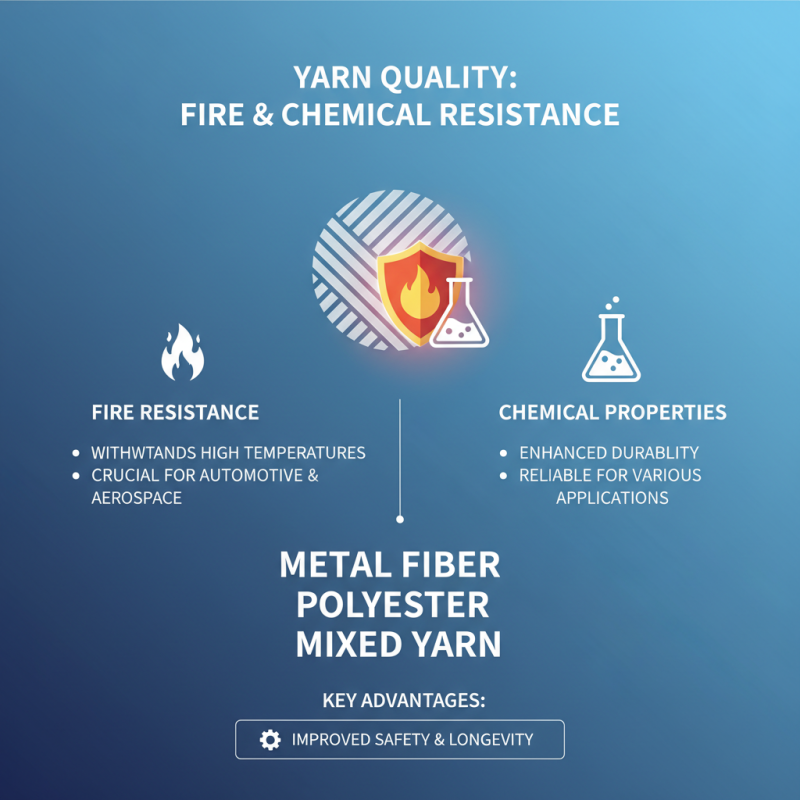
Metal Fiber Polyester Mixed Yarn presents notable advantages regarding fire resistance and chemical properties. This unique yarn composition enhances its durability, making it a reliable choice for various applications. The integration of stainless steel fiber with polyester mixed fiber significantly improves the yarn's ability to withstand high temperatures. This resistance is crucial in industries like automotive and aerospace, where safety standards are stringent.
The chemical properties of this yarn are equally impressive. It shows remarkable resilience to various chemicals, preventing degradation over time. This characteristic is essential for industrial settings where exposure to harsh substances is common. However, it’s important to note that different fiber blends may yield varying results. Conducting thorough testing can help ensure that the chosen yarn meets specific safety and performance requirements.
While the benefits are clear, some drawbacks must not be overlooked. The cost of these advanced yarns can be higher than traditional options. Buyers may need to assess their budget against the long-term gains. Additionally, achieving consistent quality across batches can be challenging. Quality control measures must be a priority to ensure that the yarn maintains its desired properties throughout production.
Innovative Applications and Benefits of 8μm ~ 50μm Pure Titanium Fiber in Modern Industry
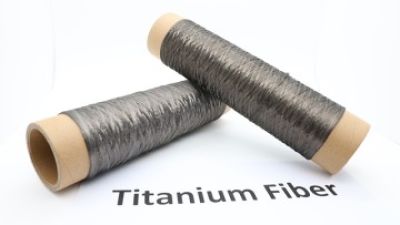
The innovative applications of pure titanium fiber, ranging between 8μm and 50μm, are revolutionizing various modern industries. This advanced material, manufactured from pure titanium or titanium alloys through state-of-the-art mechanical processing, offers unique advantages due to its large specific surface area and excellent flexibility. The complex production processes, including surface treatments, clustering, drawing, heat treatment, and electrolytic separation, ensure that the resulting micron-grade fibers maintain the outstanding properties of titanium while embodying the characteristics of metal fibers.
In electronics, these titanium fibers enhance the performance of components by providing excellent conductivity and corrosion resistance. Their lightweight yet strong nature makes them ideal for applications where durability and reliability are crucial. Furthermore, their environmental protection capabilities extend to filtration and catalytic applications, where titanium fibers can effectively purify air and water, contributing to sustainable practices in industrial processes. As industries continue to evolve, the integration of 8μm to 50μm pure titanium fiber is poised to drive innovation and efficiency, aligning with the growing demand for high-performance materials across sectors.
FAQS
: It enhances temperature regulation and improves heat distribution, reducing overheating.
Yes, some users report issues like weight or stiffness affecting comfort levels.
Excessive wear may impact thermal properties, so it’s essential to evaluate durability.
It reduces environmental impact and enhances recyclability, supporting sustainable practices.
It typically requires less water and energy than conventional polyester, aiding sustainability.
It encourages responsible sourcing and can extend product lifespans, resulting in less waste.
Prioritize sustainable materials and check if suppliers use eco-friendly production methods.
Balance between comfort and functionality may not meet all user expectations.
It helps reduce the carbon footprint linked to new raw materials, promoting sustainability.
Recycling reinforces the lifecycle of materials and reduces overall waste in the industry.
Conclusion
Metal Fiber Polyester Mixed Yarn offers a wide array of benefits that make it an attractive option for global buyers. One of the most significant advantages is its enhanced durability, which ensures longevity and resilience in various applications. Additionally, this mixed yarn provides improved thermal conductivity, allowing for better temperature regulation, making it ideal for use in both clothing and industrial textiles.
Moreover, Metal Fiber Polyester Mixed Yarn showcases versatility across multiple industries, including automotive, aerospace, and fashion. Its environmental benefits further enhance its appeal, as it often incorporates sustainable practices in production. With cost-effectiveness in both production and long-term use, alongside superior aesthetic qualities and resistance to fire and chemicals, this mixed yarn is becoming increasingly popular among manufacturers and consumers alike.